Roof Paint Peeling: Why Your Roof Coating Failed and What It Takes to Get a Finish That Actually Lasts
- Blog
- September 9, 2026
Quick Overview:
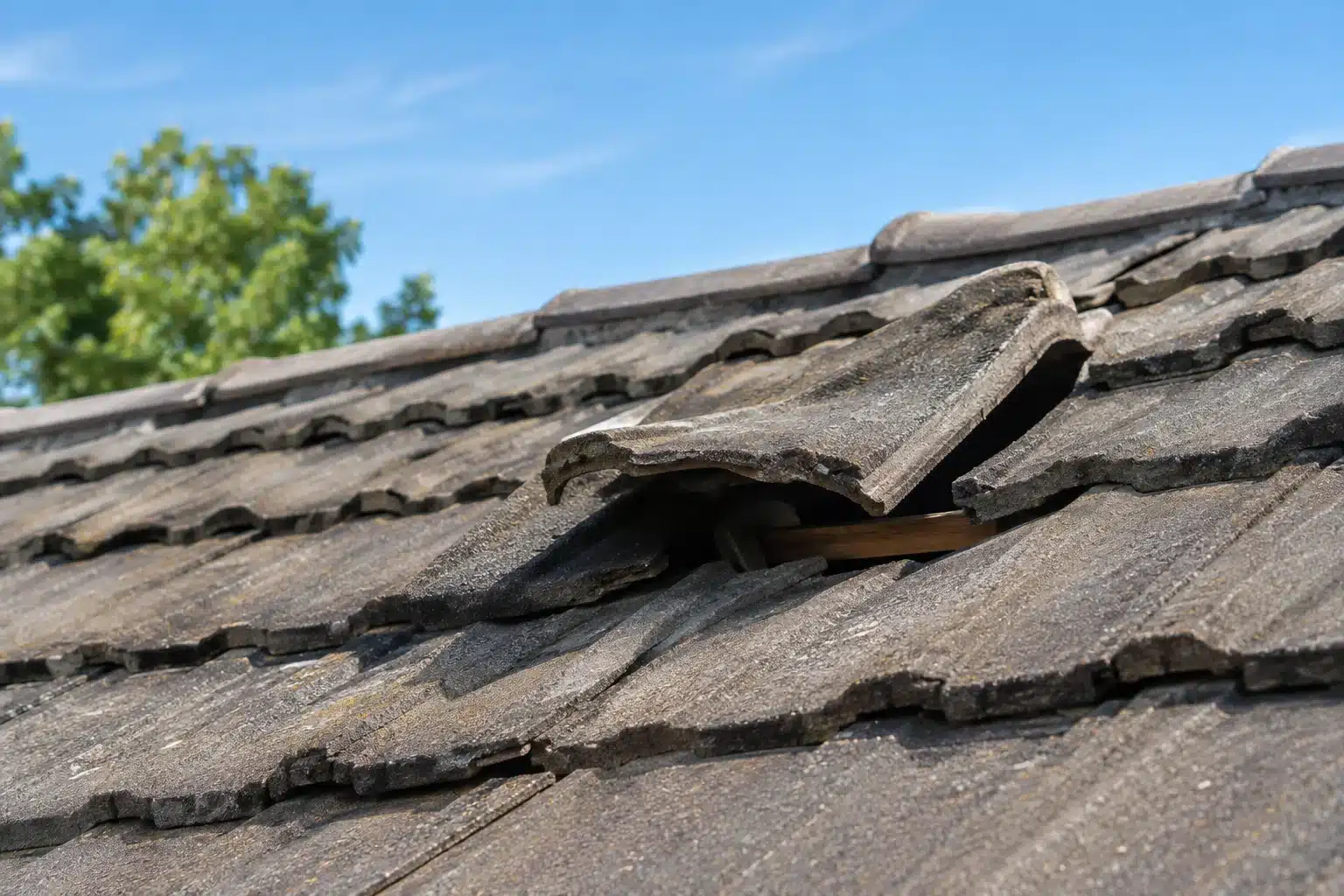
Loose roof tiles are one of the most common and most underestimated roofing problems across Melbourne. A tile does not need to be cracked or broken to cause problems. A tile that has shifted just a few centimetres out of its correct position breaks the waterproof overlap with the tiles around it, allowing wind-driven rain to enter the roof cavity. The most common causes of loose tiles in Melbourne are failed bedding mortar on ridge caps and hip tiles, deteriorated or corroded tile clips, damaged or rotted timber battens that no longer hold the tile securely, wind uplift during storms that lifts tiles out of position, thermal expansion and contraction cycling over decades, and foot traffic from people walking on the roof incorrectly. Loose tiles are often invisible from ground level because the displacement may be only 10 to 20 millimetres, enough to break the waterproof pattern but not enough to see from the street. At Roof Restoration Northern Suburbs, tile repairs including resecuring, rebedding, and replacing loose tiles are one of our most frequent services across Melbourne’s northern suburbs.
What Causes Roof Tiles to Come Loose?
Roof tiles are designed to sit in an interlocking, overlapping pattern that channels water downward without allowing it to penetrate. Each tile sits on horizontal timber battens and overlaps the tile below it and the tile beside it. When a tile shifts out of this pattern, the waterproof system is compromised.
Wind uplift is the most common trigger, particularly during Melbourne’s storm season. Strong winds create uplift pressure on the underside of roof tiles, especially at the edges, ridges, and the windward side of the roof. If a tile is not clipped, nailed, or weighted sufficiently, the wind lifts it out of position. Once one tile moves, the surrounding tiles lose the interlocking support and become vulnerable to the next gust.
Table of Contents
ToggleFailed bedding mortar on ridge caps and hip tiles is the second most common cause. Ridge caps (the shaped tiles along the peak of the roof) and hip tiles (along the angled edges) are held in place with mortar bedding. Over time, this mortar cracks, shrinks, and crumbles from thermal cycling and age. Once the mortar fails, the ridge or hip tile sits loose and can be displaced by even moderate wind. Professional repointing and rebedding replaces this mortar with flexible pointing that lasts significantly longer.
Deteriorated timber battens can no longer grip tile clips or hold tiles in position. Battens deteriorate from moisture exposure (caused by leaking valleys, failed flashing, or condensation in the roof cavity), termite damage, or simple age. Soft, split, or rotted battens let tiles shift under their own weight and under wind load.
Corroded or missing tile clips leave tiles unsecured. Metal tile clips corrode over decades, weaken, and eventually snap. On older Melbourne roofs, many tiles were installed without clips entirely, relying solely on gravity and the interlocking pattern to stay in place. While this works under normal conditions, it provides no resistance to wind uplift.
Foot traffic from people walking on the roof displaces tiles by pressing them sideways or lifting them out of their seated position. This is common after antenna installations, solar panel servicing, gutter cleaning, or roof inspections by inexperienced workers. Read can you walk on roof tiles for guidance on safe access.
Thermal cycling over decades causes tiles to expand in summer heat and contract in winter cold. Over thousands of cycles, this micro-movement gradually shifts tiles out of their original seated position, particularly on older roofs where the clips have weakened and the battens have loosened.
“One loose tile after a storm seems minor. But that one tile has broken the interlock. The tiles around it are now exposed to uplift that the pattern was designed to prevent. After the next storm, you have three or four loose tiles instead of one. It escalates quickly.”
How to Spot Loose Tiles
Most loose tiles are invisible from ground level because the displacement is small. These clues indicate tiles have shifted.
| What to Look For | Where to Look | What It Means |
|---|---|---|
| Tiles visibly out of alignment | Scan the roof from the ground, particularly after storms | One or more tiles have shifted. The gap between them may be visible on steeper roofs. |
| Tile fragments in gutters or on the ground | Check gutters and the ground around the house after wind events | Tiles are moving enough for edges to chip against neighbours, or a tile has slid down. |
| Ridge caps sitting crooked or with gaps | Look at the ridge line along the peak of the roof | Bedding mortar has failed. Ridge caps are loose and may be displaced or missing. |
| Ceiling stains appearing after rain | Check ceilings, particularly in rooms below the roof edge and ridge line | Water is entering through gaps created by loose tiles. The leak may be intermittent. |
| Rattling sounds during wind | Listen from inside the house during windy conditions | Loose tiles vibrate and rattle against battens and neighbouring tiles. |
| Daylight visible from inside the roof cavity | Check the roof cavity from the manhole using a torch during daytime | Gaps where tiles have shifted allow light through, confirming displaced tiles above. |
If you notice any of these signs, a professional roof inspection identifies every loose, displaced, and unsecured tile across the entire roof, not just the ones visible from the ground. The signs of roof damage Melbourne guide covers the full checklist.
What Happens If Loose Tiles Are Left Unfixed
A loose tile is the first step in a predictable damage cascade.
Water entry. Every time it rains, water enters through the gap created by the displaced tile. Initially, the sarking (waterproof membrane underneath) catches this water and redirects it to the gutter. Over time, the concentrated water flow deteriorates the sarking at that point.
Sarking failure. The sarking tears at the point of concentrated water exposure. Water now drips through onto the timber battens and rafters below.
Timber damage. Wet battens begin to soften, promoting timber decay and weakening the fixing points that hold the surrounding tiles in place. This causes more tiles to loosen, accelerating the problem.
More tiles shift. As one tile displaces, the interlocking support for its neighbours is compromised. Wind that the pattern would normally resist now lifts additional tiles. After several storm events, what started as one loose tile becomes a section of displaced tiles.
Tiles slide off. In severe cases, tiles that have progressively shifted eventually slide off the roof entirely, creating a serious safety hazard for anyone below and leaving a large exposed section of roof open to the weather.
Interior damage. Ceiling stains, mould growth in the roof cavity, damaged insulation, and in advanced cases, structural timber decay requiring costly repair. For emergency situations where tiles have come off the roof entirely, immediate temporary protection (tarping) is needed while permanent repairs are arranged. Read how to stop a roof leak temporarily for emergency steps.
How Loose Tiles Are Fixed
The repair approach depends on why the tile is loose and whether the tile and the supporting structure are still sound.
Resecuring a displaced tile. If the tile itself is undamaged and the batten underneath is sound, the fix is straightforward: the tile is lifted, repositioned into its correct interlocking position, and resecured with a new clip or wire tie. The surrounding tiles are checked to ensure the interlock is restored.
Replacing a damaged tile. If the loose tile has cracked or broken during the displacement (edges chipped, corners broken, structural fracture from impact), it needs full replacement with a matching tile. The new tile is fitted, aligned, and secured.
Rebedding ridge caps and hip tiles. Loose ridge and hip tiles require the old failed mortar to be removed, fresh flexible bedding mortar applied, the tile repositioned and seated, and flexible pointing compound applied to seal. This is part of the standard repointing and rebedding service.
Batten repair or replacement. If the batten holding the tile has deteriorated (soft, split, corroded fixings), the tile cannot be resecured to a failing support. The damaged batten section is replaced with new treated timber, and the tile is reinstalled on the new batten with fresh clips.
Clip replacement across a section. If multiple tiles are loose because the original clips have corroded or were never installed, the affected section is lifted systematically and each tile is fitted with a new stainless steel or galvanised clip before being repositioned. On older Melbourne roofs where clips were not standard practice, adding clips during a roof restoration significantly improves the roof’s wind resistance.
Preventing Loose Tiles
These practices reduce the risk of tiles loosening over time.
Include tile resecuring in every restoration. When your roof is being restored (cleaned, repointed, painted), every tile should be checked for secure seating and clipped where needed. This is the most efficient time to address tile security because every tile is being accessed during the restoration process.
Schedule post-storm checks. After significant wind events, visually scan the roof from the ground for displaced tiles, check gutters for tile fragments, and listen for rattling during subsequent wind. If anything looks wrong, book a professional inspection rather than climbing up yourself.
Keep trees trimmed. Overhanging branches that rub against tiles during wind gradually push them out of position. Falling branches crack and displace tiles on impact. Trimming trees back from the roof line prevents both problems and also reduces leaf debris that blocks gutters and valleys.
Restrict unnecessary roof access. Every time someone walks on the roof, tiles are at risk of displacement. Ensure any tradesperson accessing your roof (antenna installer, solar technician, gutter cleaner) knows how to walk on tiles without dislodging them. Read can you walk on roof tiles and share it with any contractor before they climb up.
Maintain ridge capping. Regular repointing of ridge caps before the mortar fails completely prevents the most common type of loose tile problem on Melbourne roofs. The roof maintenance checklist covers the full annual inspection schedule.
Loose Roof Tiles: Causes, Warning Signs, and the Damage Cascade
Why tiles shift, how to spot them, and what happens when they are left unfixed.
Six Causes of Loose Tiles
Wind Uplift
Strong winds create uplift pressure that lifts unclipped or weakly secured tiles out of position.
MOST COMMON TRIGGER
Failed Bedding Mortar
Cracked and crumbled mortar on ridge caps and hip tiles leaves them unsecured and vulnerable to wind.
Deteriorated Battens
Soft, split, or rotted timber battens can no longer grip clips or hold tiles in their seated position.
Corroded Tile Clips
Metal clips corrode, weaken, and snap over decades. Many older roofs were installed without clips entirely.
Foot Traffic
People walking on the roof push tiles sideways or lift them from their seated position. Common after tradework.
Thermal Cycling
Decades of expansion in heat and contraction in cold gradually shift tiles from their original position.
The Damage Cascade
Tile Shifts
One tile moves. Gap breaks the waterproof interlock pattern.
Water Enters
Rain enters through the gap. Sarking catches it initially.
Neighbours Loosen
Surrounding tiles lose interlocking support. More tiles shift in the next wind event.
Timber Damage
Wet battens soften and weaken. Clip fixings fail. More tiles lose their seat.
Tiles Slide Off
Severely displaced tiles slide off entirely. Safety hazard below. Roof section exposed.
How to Spot Loose Tiles
From the Ground
Tiles out of alignment, gaps in ridge line, tile fragments in gutters or on the ground after storms.
From Inside
Rattling sounds during wind. Daylight visible through gaps in the roof cavity. Ceiling stains after rain.
Professional Inspection
Every tile checked up close. Clips assessed. Battens inspected. Comprehensive report with photos.
💡 The Bottom Line
One loose tile is a warning. The forces that displaced it are affecting its neighbours. Fix one tile now and the problem stays small. Wait until the next storm and you may be dealing with a section of displaced tiles, water damage in the roof cavity, and a significantly larger repair bill.
roofrestorationnorthernsuburbs.com.au | Roof Restoration Northern Suburbs
Frequently Asked Questions
Q1. How can I tell if I have loose roof tiles?
From the ground, look for tiles visibly out of alignment, gaps along the ridge line where caps have shifted, and tile fragments in gutters or on the ground after storms. From inside, listen for rattling during wind and check the roof cavity for daylight coming through gaps. A professional roof inspection identifies every loose tile across the entire roof.
Q2. Can I fix a loose roof tile myself?
We do not recommend it. Walking on a tiled roof without knowing where to step risks cracking additional tiles, and incorrectly repositioned tiles may not restore the waterproof interlock. Additionally, working at height carries serious fall risk. A qualified roofer has the experience, equipment, and knowledge to resecure tiles safely and correctly. Contact Roof Restoration Northern Suburbs for a professional repair.
Q3. Does insurance cover loose roof tiles after a storm?
Storm damage (tiles displaced by wind, hail, or fallen branches) is typically covered under home and contents insurance. Tiles that have loosened gradually from age, wear, or failed mortar are generally considered a maintenance issue and not covered. Document the damage with photos before repairs and contact your insurer promptly. The roof damage insurance claims guide covers the process in detail.
Q4. How many loose tiles before I should get the whole roof checked?
Even one loose tile warrants a professional check because the forces that displaced it (wind, failed mortar, deteriorated battens) are likely affecting the surrounding tiles as well. If you find two or more loose or displaced tiles, a full roof inspection is strongly recommended to assess the entire roof rather than fixing tiles one by one.
Q5. Should loose tiles be fixed during a roof restoration?
Absolutely. A roof restoration is the ideal time to resecure every tile because all tiles are being accessed for cleaning, repointing, and painting. Adding clips, replacing deteriorated battens, and resecuring every tile during the restoration ensures the entire roof is wind-resistant for the next decade. The roof restoration cost Melbourne guide covers what this adds to the project scope.
Do not wait for a small problem to become a big one. If you have spotted broken, cracked, or missing tiles on your Melbourne northern suburbs home, the team at Roof Restoration Northern Suburbs is ready to help. Get in touch today for a no-obligation inspection and quote.
Contact us today for a free, no‑obligation roof assessment and quote.
If you want a thorough and safe roof cleaning, don’t hesitate to reach out to us for expert services. We can handle everything from roof cleaning to roof restoration.
- 0489 088 778
- info@roofrestorationnorthernsuburbs.com.au
- 32 Milleara Road Keilor East VIC 3033
- Mon-Sat : 8AM – 5PM