Can You Walk on Roof Tiles? What Melbourne Homeowners Need to Know Before Stepping Up There

Roof restoration epping

Quick Overview:

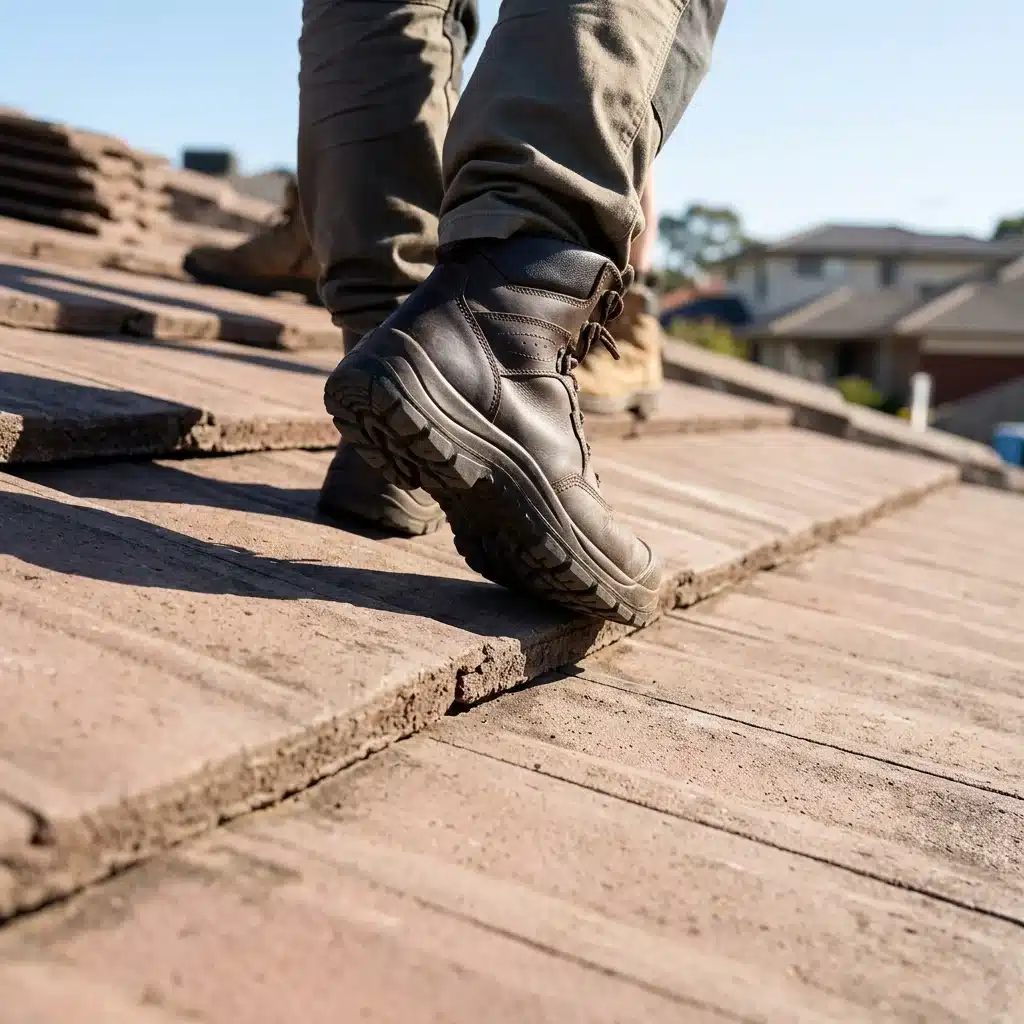
Can you walk on roof tiles? The short answer is yes, but with serious caution. Concrete tiles can generally handle careful foot traffic if you step in the right places. Terracotta tiles are significantly more fragile and crack easily under concentrated weight. Colorbond metal roofing handles foot traffic better than tiles but still dents if you step incorrectly. The critical factor is not just whether the tile can support your weight, but whether you know exactly where to step, how to distribute your weight, and how to identify tiles that are already weakened by age, weather, or previous damage. Every year in Australia, homeowners crack tiles, cause leaks, and injure themselves by walking on their roofs without the right knowledge or equipment. For anything beyond a quick visual check from a ladder, professional access through a qualified contractor like Roof Restoration Northern Suburbs is always the safer and smarter approach.


can you walk on roof tiles explanation

Which Roof Tiles Can Handle Foot Traffic?

Not all tiles respond the same way to being walked on.

Tile TypeCan You Walk On It?Risk LevelKey Concern
Concrete tiles (new)Yes, with careModerateStep on the lower third where the tile overlaps the one below
Concrete tiles (old, 30+ years)Yes, but higher riskHighTiles become brittle with age and UV exposure, more prone to cracking
Terracotta tilesWith extreme caution onlyVery highNaturally brittle, crack easily under concentrated weight
Colorbond / metal roofingYesLowerRisk of denting rather than cracking, slippery when wet
Slate tilesAvoid if possibleVery highExtremely brittle, expensive to replace

The age and condition of your tiles matter just as much as the type. A concrete tile that has been baking in Melbourne’s UV for 30 years is significantly weaker than the same tile was when it was installed. Tiles that look fine from the ground can be internally weakened and will crack the moment weight is applied.

“We see cracked tiles on almost every roof we inspect, and at least half the time the homeowner tells us they walked up there to check something or clean the gutters. One misplaced step can create a leak that costs hundreds to fix.”

Where to Step (and Where Not To)

If you absolutely must walk on a tiled roof, understanding tile geometry is critical.

Where to step: Place your feet on the lower third of each tile, where it overlaps the tile below. This is the strongest point because the weight is distributed across two tiles and supported by the batten underneath.

Where NOT to step: Never step on the centre or upper portion of a tile. This unsupported section flexes under weight and is where most cracks happen. Also avoid stepping on ridge caps, valley irons, or hip tiles as these are often the most fragile components on the roof.

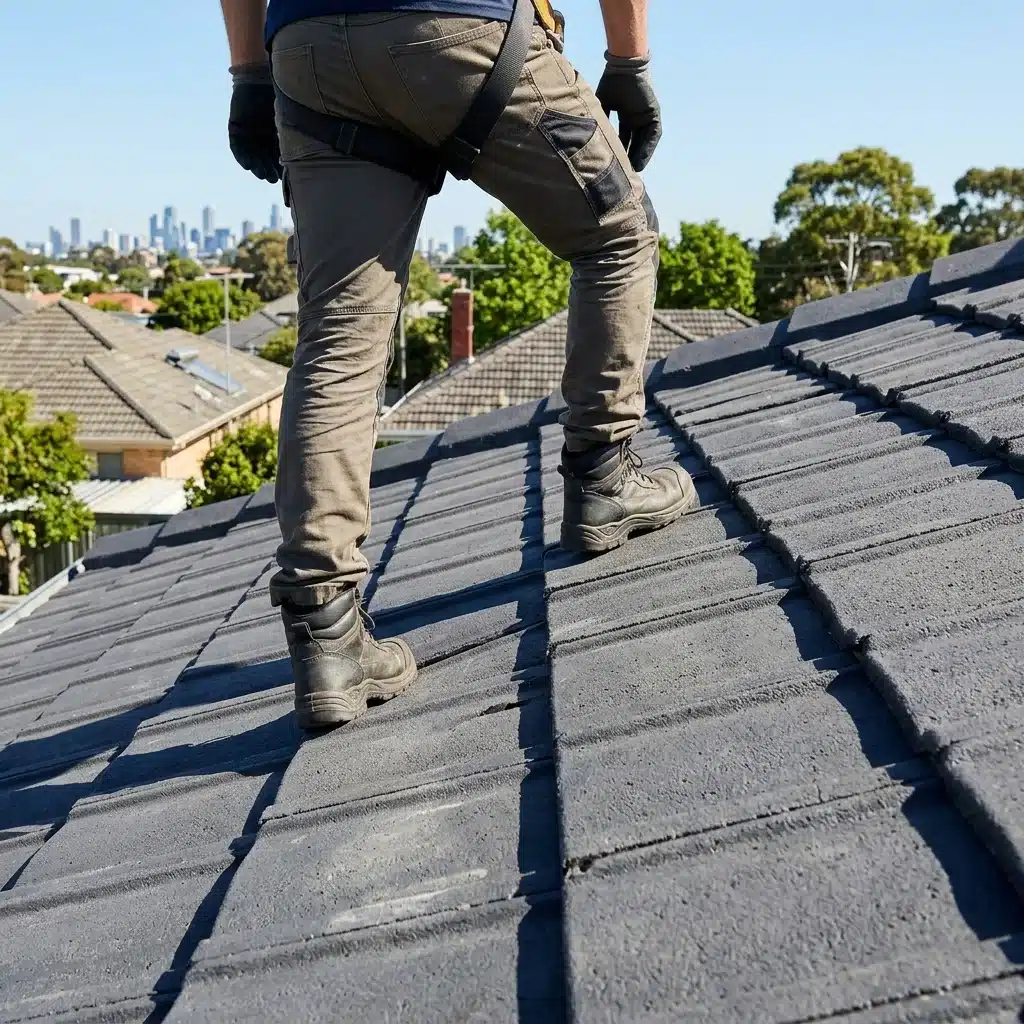
How to distribute weight: Walk flat-footed, not on your toes or heels. Keep your weight centred and move slowly. Never jump, lunge, or shift weight quickly. Wear soft-soled shoes with good grip, never thongs, work boots with hard heels, or bare feet.

Roof pitch matters: Anything steeper than 25 degrees becomes dangerously slippery, especially in the early morning when dew is present or after rain. Melbourne’s unpredictable weather means conditions can change quickly.

Why DIY Roof Access Is Risky

Beyond tile damage, walking on your roof carries personal safety risks that most homeowners underestimate.

Falls. Roof falls are one of the leading causes of serious injury and death in Australian homes. Even a single-storey fall can result in broken bones, spinal injuries, or worse. Professional roofers use harnesses, anchor points, and edge protection that homeowners simply do not have.

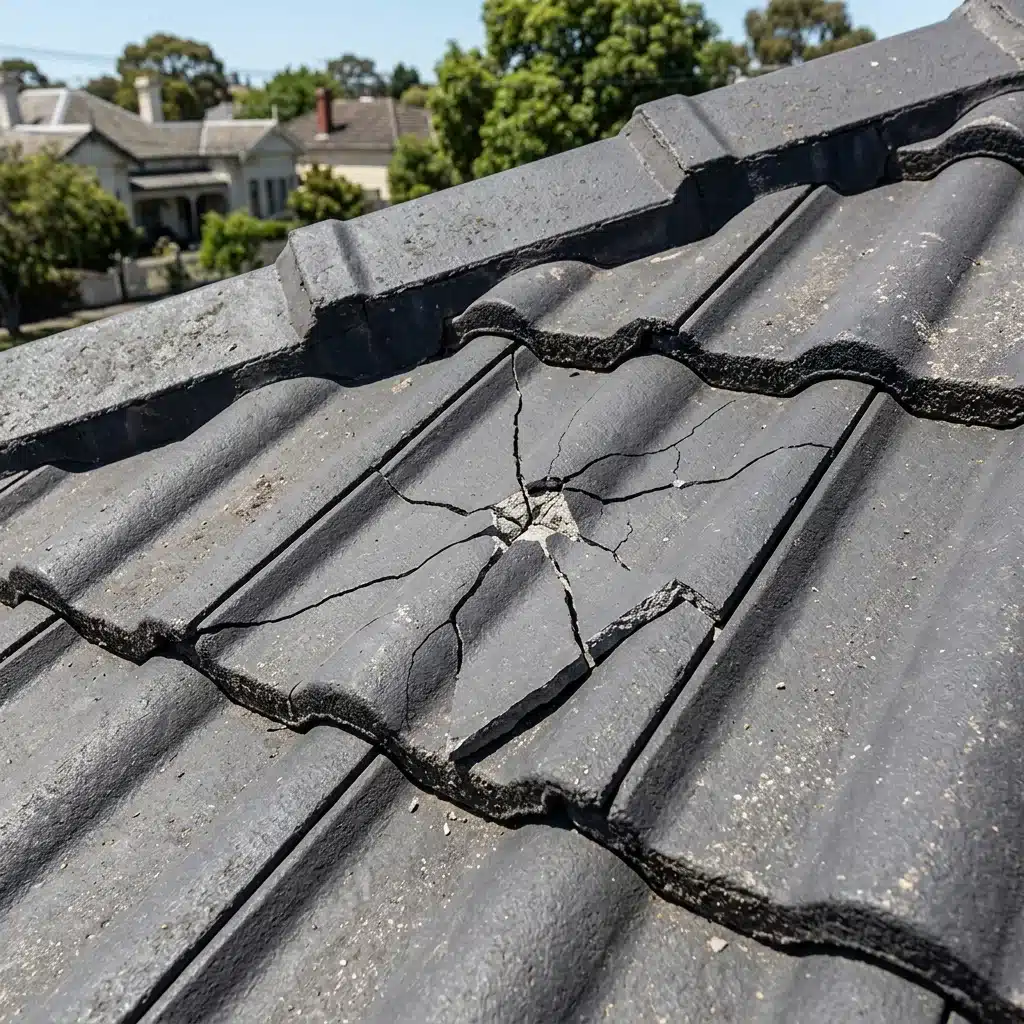
Hidden tile damage. You may crack tiles without realising it. Hairline cracks are invisible from above but allow water to penetrate during rain. The first sign of damage is often a ceiling stain weeks or months later. By then, the timber beneath may already have moisture damage.

Dislodged tiles. Walking on tiles can shift them out of alignment, breaking the waterproof overlap pattern. A tile that looks fine but has moved even a few millimetres can let water through at the next heavy rain.

Voided insurance. Some home insurance policies exclude damage caused by unlicensed persons working on the roof. If you crack tiles while walking up there and a leak develops, the resulting water damage may not be covered.
Can you walk on roof tiles information


Common Reasons Homeowners Walk on Their Roof

Most people do not climb onto their roof for fun. They do it because they think they need to. Here are the most common reasons and the better alternatives.

“I need to check for damage after a storm.”
Better alternative: Do a visual check from ground level or from a ladder at the gutter line. If you suspect damage, book a professional roof inspection. They will identify issues you cannot see from above and do it safely.

“I need to clean the gutters.”
Better alternative: Use a ladder positioned at the gutter edge. You do not need to stand on the roof to clean gutters. Or book a professional gutter cleaning service that includes a roof condition check.

“I want to check for moss or lichen.”
Better alternative: Moss and lichen are clearly visible from the ground, especially with binoculars. If it is extensive, professional roof cleaning with high-pressure washing removes it safely without you stepping on fragile surfaces.

“I need to find where a leak is coming from.”
Better alternative: Professional leak detection traces leaks from inside the roof cavity and externally using systematic methods. Walking on a wet roof looking for the source of a leak is one of the most dangerous DIY activities.

“I need to install Christmas lights or a TV antenna.”
Better alternative: Hire an installer with roof access equipment. The cost of professional installation is far less than the cost of cracked tiles and a resulting leak.

What to Do If You Have Already Cracked Tiles

If you have walked on your roof and suspect you may have cracked or dislodged tiles, do not panic, but do not ignore it either.

  • Book a professional roof inspection as soon as possible
  • Check your ceiling for any new stains or discolouration after the next rain
  • Do not attempt to repair cracked tiles yourself from above, as you risk cracking more tiles in the process
  • A qualified roofer can replace individual broken tiles and check surrounding tiles for hidden damage
  • If multiple tiles are damaged, it may be worth combining the repair with a broader roof restoration to address everything at once

For more on recognising damage, read signs of roof damage Melbourne and how roof leaks affect your home.


Can You Walk on Roof Tiles? Safety Guide

Which tiles handle foot traffic, where to step, and why professional access is always smarter.

Tile Types and Foot Traffic Risk

🟢

Concrete Tiles (New)

Can walk: Yes, with care

Risk: Moderate

Step on the lower third only. Strongest point where tiles overlap and sit on battens.

🟠

Concrete Tiles (Old, 30+ yrs)

Can walk: Yes, but higher risk

Risk: High

UV and age make tiles brittle. May look fine but crack under weight without warning.

🔴

Terracotta Tiles

Can walk: Extreme caution only

Risk: Very high

Naturally brittle. Crack easily under concentrated weight. Professional access recommended.

🟢

Colorbond / Metal

Can walk: Yes

Risk: Lower

Risk of denting not cracking. Very slippery when wet. Step on screw lines over battens.

Where to Step on a Tiled Roof

Safe Zone

Lower third of the tile where it overlaps the tile below. Weight is shared across two tiles and supported by the batten underneath.

Walk flat-footed, move slowly, wear soft-soled shoes with grip.

Danger Zone

Centre or upper portion of the tile where it is unsupported. This section flexes under weight and is where most cracks happen.

Never step on ridge caps, valley irons, or hip tiles.

Why Professional Access Is Always Smarter

🦺

Safety Equipment

Harnesses, anchor points, and edge protection that homeowners do not have.

👁️

Trained Eyes

Professionals spot hairline cracks, shifted tiles, and hidden damage you would miss.

🛡️

Insurance Cover

Licensed contractors carry public liability. DIY damage may void your home insurance.

🔧

Fix on the Spot

If issues are found during inspection, they can be repaired immediately without a return visit.

💡 The Bottom Line

Your roof is designed to keep water out, not to be walked on. One misplaced step can crack a tile, create a leak, and cost more to fix than a professional inspection would have cost in the first place. If anything needs checking, cleaning, or repairing up there, call a professional.

roofrestorationnorthernsuburbs.com.au | Roof Restoration Northern Suburbs

Frequently Asked Questions

  • Q1. Can you walk on concrete roof tiles without breaking them?

    Yes, if you step carefully on the lower third of each tile where it overlaps the tile below. This is where the tile is strongest because the weight is distributed across two tiles and supported by the batten. However, older concrete tiles (30+ years) become brittle from UV exposure and are significantly more prone to cracking. If your tiles are old, professional access is strongly recommended.

  • Q2. Can you walk on terracotta roof tiles?

    Terracotta tiles are naturally more brittle than concrete and crack more easily under foot traffic. If you must walk on terracotta, step only on the overlapping lower section and move extremely carefully. For most homeowners, the risk of cracking terracotta tiles is not worth the cost of replacing them. Professional roofers know exactly how to navigate terracotta roofs safely.

  • Q3. What happens if you crack a roof tile by walking on it?

    A cracked tile allows water to penetrate through to the sarking and timber underneath. During heavy rain, water enters the roof cavity and can cause ceiling stains, mould, timber rot, and insulation damage. Even a hairline crack that is invisible from above can let in enough water to cause problems over time. If you suspect a cracked tile, book a roof inspection before the next rain.

  • Q4. Is it safe to walk on a wet roof?

    No. Wet roof tiles are extremely slippery, regardless of the tile type. Concrete, terracotta, and Colorbond surfaces all become hazardous when wet. Melbourne's morning dew, unexpected rain, and moss growth make wet roof conditions common. Professional roofers use harnesses and anchor points for wet conditions. Homeowners should never walk on a wet roof.

  • Q5. Should I hire a professional instead of walking on my roof?

    Yes, for any task beyond a quick visual check from a ladder. Professional roofers have the equipment, training, and insurance to access your roof safely without damaging tiles. A professional roof inspection from Roof Restoration Northern Suburbs includes a comprehensive assessment of tile condition, ridge capping, valleys, flashing, and gutters, all done safely and without risk to your roof or yourself.

Do not wait for a small problem to become a big one. If you have spotted broken, cracked, or missing tiles on your Melbourne northern suburbs home, the team at Roof Restoration Northern Suburbs is ready to help. Get in touch today for a no-obligation inspection and quote.

Contact us today for a free, no‑obligation roof assessment and quote.

If you want a thorough and safe roof cleaning, don’t hesitate to reach out to us for expert services. We can handle everything from roof cleaning to roof restoration.

Roof Restoration Northern Suburbs is the fastest, quickest way to find the roofing experts at your doorstep. In one simple call, you can access the skills and expertise you need.