Roof Maintenance Checklist: The Complete Guide to Protecting Your Roof Year Round
- Blog
- July 21, 2026
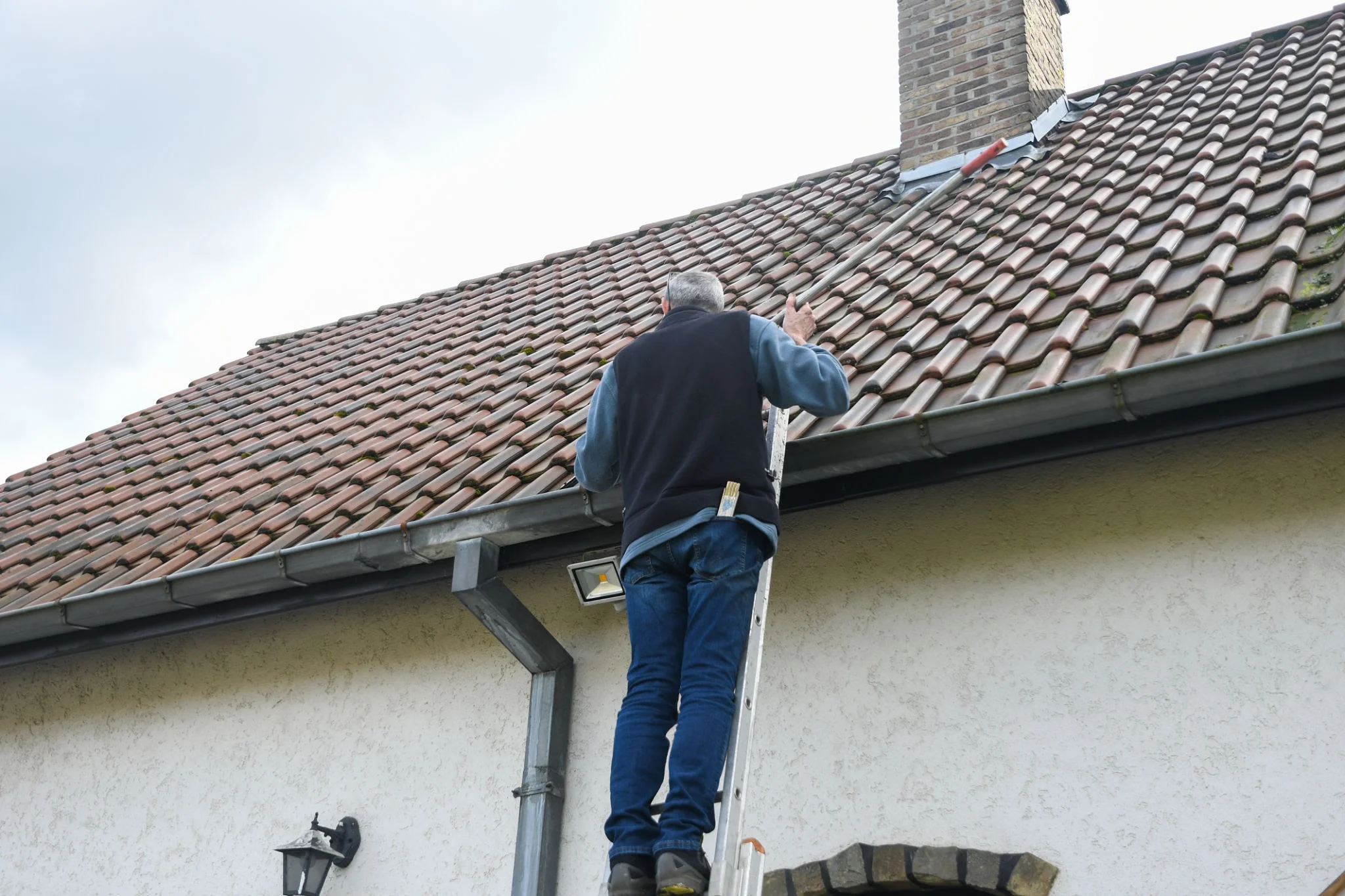
Quick Overview:
Explain that a roof maintenance checklist is a preventative guide that helps homeowners inspect their roof regularly rather than waiting for visible damage. Mention that regular maintenance typically includes checking roof tiles or metal sheets, cleaning gutters, inspecting flashing, identifying water damage, examining ridge capping, removing moss and debris and trimming overhanging branches.
Briefly explain why each task matters. For example, blocked gutters can lead to water overflow, damaged flashing can allow water to enter the roof cavity and cracked tiles may expose the roof underlay to the elements. Conclude by stating that homeowners should schedule professional inspections at least once every year, particularly after severe storms or prolonged periods of heavy rain.
Why Every Home Needs a Roof Maintenance Checklist
Your roof quietly protects your home every single day, yet it is often one of the most neglected parts of a property. Unlike walls or windows that homeowners see regularly, roofing problems often remain hidden until water begins entering the home or visible damage appears. By that stage, what could have been a straightforward repair may require far more extensive work.
Table of Contents
ToggleA well planned roof maintenance checklist allows homeowners to identify early warning signs before they become serious structural issues. Routine inspections help detect cracked roof tiles, loose ridge capping, rust developing on metal roofing, blocked gutters and damaged flashing. Addressing these problems early helps prevent moisture from entering the roof cavity, protects insulation and reduces the risk of internal ceiling damage.
Regular maintenance is particularly important in Melbourne, where roofs experience changing weather conditions throughout the year. Heavy rainfall, hot summers, strong winds and falling tree branches all contribute to gradual roof deterioration. Even high quality roofing materials benefit from routine inspections to ensure they continue performing as intended.
Many homeowners assume that a roof only requires attention when a leak appears. Unfortunately, leaks are usually one of the final symptoms of an issue that has been developing for months or even years. Preventative maintenance helps identify these hidden problems before they become disruptive and expensive.
Professional roof inspections also provide peace of mind when buying or selling a property. A well maintained roof improves the appearance of a home, protects its structural integrity and demonstrates that the property has been properly cared for over time.
If your roof shows signs of ageing or damage during your inspection, Roof Restoration Northern Suburbs can assess its condition and recommend whether targeted roof repairs or a complete roof restoration will provide the most cost effective solution.
What Should Be Included in a Roof Maintenance Checklist?
A comprehensive roof maintenance checklist goes beyond simply looking for broken roof tiles. Every component of the roofing system works together to protect your home from water damage, weather exposure and structural deterioration. Ignoring even one element can eventually affect the performance of the entire roof.
Below are the most important areas every homeowner should inspect throughout the year.
Inspect Roof Tiles or Metal Roofing
Roofing materials are your home’s first line of defence against Australia’s harsh climate. Whether your property has concrete tiles, terracotta tiles or a metal roof, regular inspections help identify damage before it spreads across larger sections of the roof.
For tiled roofs, look for cracked, chipped or displaced tiles. Even a single damaged tile can allow rainwater to reach the roof underlay, increasing the risk of leaks and timber damage. Moss and lichen growth may also indicate that moisture is being retained on the roof surface for extended periods.
If your property has a metal roof, inspect for rust, corrosion, loose screws and lifting roof sheets. Surface rust may appear cosmetic initially but can eventually weaken roofing panels if left untreated.
Rather than walking directly on your roof, perform a visual inspection from the ground using binoculars where possible. Walking on roofing materials without appropriate safety equipment can damage the roof and increase the risk of injury.
If you notice widespread cracked tiles, rust or ageing roofing materials, professional roof repairs or restoration may provide a more reliable long term solution than replacing isolated sections.
Check Ridge Capping and Roof Bedding
Ridge capping protects the highest points of your roof where different roof sections meet. These ridge caps are secured using bedding and pointing materials that naturally deteriorate over time due to weather exposure and normal movement within the roof structure.
As bedding begins to weaken, ridge caps may become loose or develop small gaps that allow rainwater to penetrate beneath the roofing materials. Cracked pointing is another common issue that often goes unnoticed until leaks begin appearing inside the home.
During your inspection, look for visible cracks in the mortar, uneven ridge caps or sections that appear to have shifted. If you notice loose ridge capping, avoid attempting repairs yourself, as specialised materials and techniques are required to restore long term stability.
Modern flexible pointing products provide greater durability than traditional mortar alone and help roofs better withstand seasonal expansion and contraction.
A professional inspection can determine whether isolated repointing is sufficient or whether larger sections of the roof require restoration to maintain structural integrity.
“Ridge capping protects one of the most exposed areas of your roof. Small cracks today can become significant water entry points during heavy rain.”
Inspect Roof Flashing Around Roof Penetrations
Roof flashing plays a critical role in directing water away from vulnerable areas where roofing materials meet chimneys, skylights, vents and walls. Because flashing is constantly exposed to the elements, it can deteriorate over time through corrosion, lifting or failed sealants.
Even if the rest of your roof appears to be in good condition, damaged flashing can allow water to enter beneath roofing materials and travel into the roof cavity. These hidden leaks often remain unnoticed until stains appear on ceilings or mould begins developing inside the home.
As part of your roof maintenance checklist, inspect flashing for signs of rust, gaps, lifting edges or deteriorated sealant. Pay particular attention after severe storms, as strong winds can loosen flashing around roof penetrations.
While applying additional sealant may appear to be a quick solution, underlying movement or corrosion often requires professional repairs to prevent recurring leaks. An experienced roofing specialist can determine whether flashing needs resealing, replacement or further restoration work.
Clean Gutters and Downpipes
Gutters and downpipes play an essential role in protecting your roof and home from water damage. Their job is to collect rainwater and direct it safely away from your roof, walls and foundations. When gutters become blocked with leaves, dirt, twigs or other debris, water can overflow and find its way beneath roof tiles or metal sheets. Over time, this can lead to timber rot, mould growth, ceiling stains and damage to your home’s exterior.
Homeowners in Melbourne’s northern suburbs should pay particular attention to their gutters during autumn and after storms, when falling leaves and debris are more likely to accumulate. Even homes with gutter guards should still be inspected regularly, as smaller debris can still collect and restrict water flow.
While cleaning gutters may seem like a straightforward task, safety should always come first. Working at heights carries significant risks, particularly on multi-storey homes or steep roofs. If you are unsure or your gutters are difficult to access, arranging a professional inspection is the safest option.
A properly functioning gutter system also helps protect your roof restoration investment. Water that cannot drain correctly often causes unnecessary deterioration around fascia boards, roof edges and valleys, reducing the lifespan of roofing materials.
Maintenance Tip
“Clean gutters at least twice a year, and more frequently if your property is surrounded by mature trees.”
Inspect Roof Valleys
Roof valleys are one of the hardest working parts of any roofing system. They collect rainwater from multiple sections of the roof and channel it into the guttering system. Because large volumes of water pass through valleys during heavy rain, they are also one of the most common locations for leaks.
Leaves, dirt and moss can easily accumulate in valleys, creating blockages that prevent water from flowing freely. Standing water increases the likelihood of corrosion on metal valleys and can eventually cause water to back up beneath roof tiles.
During your roof maintenance checklist, inspect valleys for accumulated debris, rust, loose valley irons or visible damage. Homeowners should also look for signs that water has previously overflowed, such as staining or vegetation growth.
If your roof valleys show signs of corrosion or movement, professional repairs should not be delayed. Replacing damaged valley components early is significantly more affordable than repairing water damage inside your home.
If multiple roof components are showing signs of wear, Roof Restoration Northern Suburbs can assess whether a complete roof restoration will provide better long term protection than isolated repairs.
Look for Signs of Water Damage Inside Your Home
Not every roofing problem is visible from outside. In many cases, the first warning signs appear inside the home. Regularly inspecting your ceiling, walls and roof cavity can help identify leaks before they become major structural issues.
Water stains are one of the most obvious indicators of roof damage. Yellow or brown patches on ceilings often suggest that moisture has entered through damaged roofing materials or deteriorated flashing. Peeling paint, bubbling plaster and mould growth may also indicate ongoing water intrusion.
If your home has an accessible roof cavity, inspect it after heavy rain. Damp insulation, mould, musty smells or visible daylight entering through the roof are all signs that further investigation is required.
It is important not to ignore small leaks simply because they appear manageable. Water can travel considerable distances before becoming visible, meaning the source of the leak may be located elsewhere on the roof. Prompt professional assessment helps minimise repair costs and prevents damage from spreading.
Trim Overhanging Trees
Trees provide welcome shade during Melbourne’s warmer months, but branches growing too close to your roof can cause ongoing maintenance issues.
During strong winds, branches can scrape against roof tiles or metal roofing, gradually wearing away protective coatings and causing physical damage. Falling branches may crack roof tiles, dent metal sheets or damage gutters, particularly during storms.
Leaves also contribute to blocked gutters and roof valleys, increasing the risk of water overflow and moss growth. Keeping branches trimmed back helps reduce debris accumulation while also discouraging pests such as birds and possums from accessing your roof.
Tree maintenance should be performed carefully to avoid damaging roofing materials. If large branches require removal, engaging a qualified arborist is generally the safest approach. Preventative tree maintenance is a simple step that supports the long term performance of your entire roofing system.
Seasonal Roof Maintenance Schedule
Different seasons place different demands on your roof. Adjusting your maintenance routine throughout the year helps identify seasonal issues before they develop into expensive repairs.
| Season | Recommended Maintenance |
|---|---|
| Summer | Inspect for cracked tiles, fading paint, rust, UV damage and loose flashing. |
| Autumn | Remove leaves from gutters and roof valleys, inspect downpipes and trim nearby trees. |
| Winter | Check for leaks after heavy rain, inspect ceilings for water stains and monitor gutter performance. |
| Spring | Schedule a professional roof inspection, clean the roof surface and assess whether restoration work is required. |
Following a seasonal maintenance routine reduces unexpected repairs and helps extend the overall lifespan of your roof.
DIY Roof Maintenance vs Professional Roof Inspection
Many basic maintenance tasks can be completed by homeowners, but others require professional expertise to ensure both safety and long term performance.
| Task | DIY | Professional Recommended |
|---|---|---|
| Ground level visual inspection | ✓ | ✓ |
| Remove leaves from accessible gutters | ✓ | ✓ |
| Check ceilings for leaks | ✓ | ✓ |
| Replace cracked roof tiles | ✓ | |
| Repoint ridge capping | ✓ | |
| Repair flashing | ✓ | |
| Pressure clean roof | ✓ | |
| Full roof assessment | ✓ |
Professional inspections often identify hidden issues that are difficult to detect from the ground. They also allow homeowners to plan maintenance before small problems become major restoration projects.
When Maintenance Is No Longer Enough
Routine maintenance significantly extends the lifespan of a roof, but there comes a point when ongoing repairs become less practical than restoration.
Signs your roof may require professional restoration include widespread cracked roof tiles, repeated leaks, extensive rust, deteriorated ridge capping, faded roof coatings or roofing materials approaching the end of their service life.
A roof restoration does more than improve appearance. It addresses underlying issues, replaces damaged components where required and applies protective coatings that improve weather resistance and durability. Rather than repeatedly repairing isolated problems, restoration provides homeowners with a more comprehensive solution that protects both the roof and the value of the property.
If you are unsure whether your roof requires repairs or restoration, Roof Restoration Northern Suburbs can provide a professional assessment tailored to your property’s condition and recommend the most suitable solution.
Roof Maintenance Checklist for Australian Homes
A simple maintenance routine helps prevent leaks, extend your roof's lifespan and reduce costly repairs.
Key Areas to Inspect
Roof Surface
Inspect: Cracked tiles, rust, loose sheets or damaged roofing materials.
Why: Prevent water penetration before it causes structural damage.
Carry out a visual inspection at least twice a year.
Gutters & Valleys
Inspect: Leaves, debris, standing water and corrosion.
Why: Ensure rainwater drains away efficiently during storms.
Blocked gutters are one of the leading causes of roof leaks.
Flashing & Ridge Capping
Inspect: Loose ridge caps, cracked pointing and lifting flashing.
Why: Stop water entering around vulnerable roof joints.
Small defects can quickly develop into expensive leaks.
Your Roof Maintenance Checklist
1. Inspect
Look for cracked tiles, rust, damaged flashing and signs of wear.
2. Clean
Remove leaves and debris from gutters, valleys and downpipes.
3. Repair
Replace damaged tiles and repair loose flashing before leaks develop.
4. Prevent
Trim overhanging branches to reduce debris and storm damage.
5. Schedule
Arrange a professional roof inspection every 12 to 24 months.
💡 Maintenance Tip
Melbourne's changing weather means your roof is exposed to heavy rain, strong winds, harsh UV rays and falling debris throughout the year. Completing a roof maintenance checklist every six months and arranging regular professional inspections can help detect problems early, reduce long term repair costs and extend the lifespan of your roof.
roofrestorationnorthernsuburbs.com.au | Roof Restoration Northern Suburbs
Frequently Asked Questions
Q1. How often should I complete a roof maintenance checklist?
A visual roof inspection should be carried out at least twice a year, ideally during spring and autumn. It is also recommended after severe storms or strong winds to identify any weather-related damage.
Q2. What is the most important part of a roof maintenance checklist?
Checking roof tiles or metal roofing, cleaning gutters, inspecting flashing and monitoring ridge capping are among the most important maintenance tasks. Together, these components help prevent leaks and extend the lifespan of your roof.
Q3. Can I inspect my roof without climbing onto it?
Yes. Many roof issues can be identified safely from ground level using binoculars. Homeowners should avoid walking on roofs unless they have appropriate safety equipment and experience.
Q4. When should I call a roofing professional?
You should arrange a professional inspection if you notice cracked roof tiles, rust, persistent leaks, loose ridge capping, sagging gutters or water stains inside your home. Early intervention often prevents more extensive repairs.
Q5. How do I know if my roof needs restoration instead of repairs?
If your roof has widespread ageing, repeated leaks, faded coatings or multiple damaged areas, restoration may provide a more cost effective long term solution than ongoing repairs. A professional inspection can determine the most appropriate approach.
Do not wait for a small problem to become a big one. If you have spotted broken, cracked, or missing tiles on your Melbourne northern suburbs home, the team at Roof Restoration Northern Suburbs is ready to help. Get in touch today for a no-obligation inspection and quote.
Contact us today for a free, no‑obligation roof assessment and quote.
If you want a thorough and safe roof cleaning, don’t hesitate to reach out to us for expert services. We can handle everything from roof cleaning to roof restoration.
- 0489 088 778
- info@roofrestorationnorthernsuburbs.com.au
- 32 Milleara Road Keilor East VIC 3033
- Mon-Sat : 8AM – 5PM