Roof Paint Peeling: Why Your Roof Coating Failed and What It Takes to Get a Finish That Actually Lasts
- Blog
- September 1, 2026
Quick Overview:
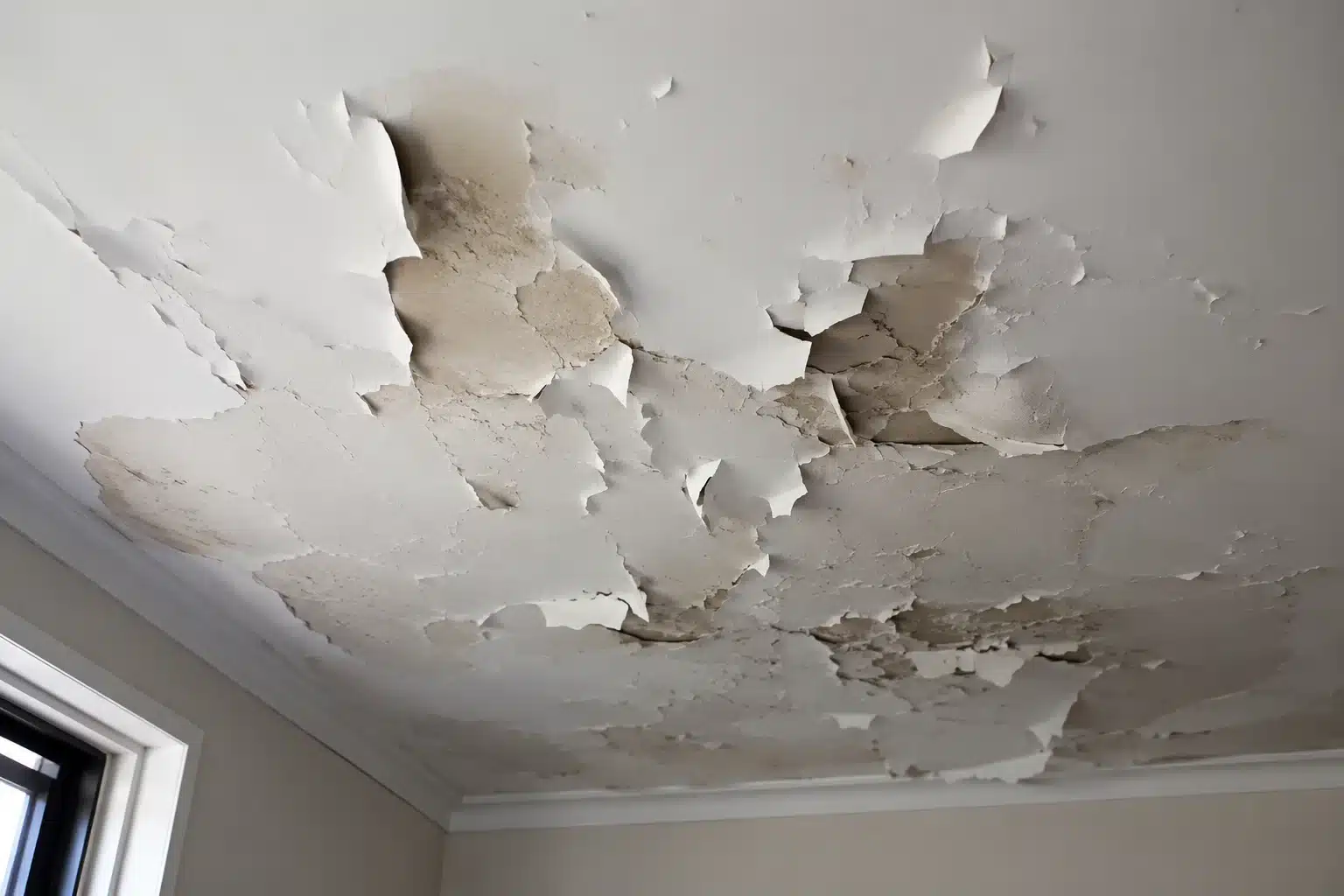
Roof paint peeling is caused by a failure in the bond between the paint film and the roof surface. The most common causes across Melbourne are inadequate surface preparation before painting (the surface was not clean, dry, or properly primed), applying paint over an incompatible existing coating, moisture trapped beneath the paint from painting on a damp surface or in humid conditions, using an interior or non-roof-rated paint that cannot withstand UV, thermal cycling, and weather exposure, and the existing paint reaching the natural end of its lifespan after 15 to 20 years of service. Repainting over peeling paint is the most common and most expensive mistake because the new coat bonds to the failing old coat, not the tile, and peels again within months. The correct fix is stripping all failed paint back to a sound surface, addressing the cause, preparing and priming properly, and applying a professional-grade roof membrane designed for Melbourne’s conditions. At Roof Restoration Northern Suburbs, diagnosing and fixing peeling roof paint is a core part of every roof restoration we deliver across Melbourne’s northern suburbs.
What Causes Roof Paint to Peel?
Roof paint peeling is never random. Every peeling roof has a specific, identifiable cause.
Poor surface preparation is the most common cause and the most preventable. Roof paint must bond directly to a clean, dry, sound substrate. When paint is applied over a surface that still has dirt, moss, lichen, chalk residue from the old coating, or loose material, it bonds to that contaminant layer rather than the tile itself. When the contaminant eventually releases, the paint goes with it. Professional roof cleaning with high-pressure washing is the essential first step of any roof painting project because it removes every particle of contamination from the surface.
Table of Contents
ToggleIncompatible coating layers. Applying one type of roof paint over a different, incompatible type causes adhesion failure. The most common scenario in Melbourne is applying a modern acrylic membrane coating over an old oil-based or solvent-based roof paint without full removal of the existing coating. The two systems cannot bond to each other, and the new coating peels away from the old one.
Painting on a damp surface. Melbourne’s weather can be unpredictable, and painting on a surface that has not fully dried after rain, morning dew, or pressure washing traps moisture between the paint and the tile. As the sun heats the roof, the trapped moisture turns to vapour and pushes the paint film away from the surface, causing blisters that develop into peeling.
Wrong paint product. Not all paint is suitable for roofs. Roof paint must withstand extreme UV exposure (Melbourne regularly exceeds UV Index 11 in summer), thermal cycling (roof surfaces can reach 70+ degrees in summer and drop to near freezing in winter), and constant weather exposure. Using a general exterior wall paint, an interior paint, or a cheap unrated product on a roof results in rapid failure because the product was never formulated for these conditions. The best roof paint Australia guide covers which products are rated for roof application.
Natural end of coating life. Even properly applied premium roof coatings have a finite lifespan. Quality membrane coatings last 15 to 20 years before the resin breaks down from UV and weather exposure and the coating needs reapplication. At this point, the peeling is not a failure. It is the coating reaching the end of its designed service life. The roof lifespan guide covers how surface coating lifespan differs from structural tile lifespan.
“The most frustrating call we get is from a homeowner who paid someone to repaint their roof six months ago and it is already peeling. Every time, the cause is the same: the old coating was not properly removed, the surface was not properly cleaned, or the wrong product was used. The paint did not fail. The preparation failed.”
Where Peeling Appears First and What Each Location Means
The location of the peeling on your roof tells you a lot about the cause.
| Location | What Peels First | Most Likely Cause |
|---|---|---|
| North and west-facing roof planes | Large sections peeling across entire planes | UV degradation (these planes receive the most direct sun), coating has reached end of life |
| Shaded, south-facing sections | Peeling with moss or lichen visible underneath | Moisture retention from shade and vegetation, paint applied over biological growth |
| Valley areas and lower tile courses | Peeling concentrated along water flow paths | Moisture trapped during painting, or water channelling has worn the coating faster |
| Ridge line and ridge caps | Peeling along the peak of the roof | Paint applied over failed or crumbling mortar, surface movement from repointing needed first |
| Individual scattered tiles | Random isolated tiles peeling while neighbours are fine | Individual tiles were contaminated, cracked, or had residual moisture during painting |
| Entire roof uniformly | Peeling across all sections at a similar rate | Systemic failure: wrong product, no primer, or catastrophic preparation failure |
Understanding the pattern helps the roofer diagnose the cause before any repair work begins. A professional roof inspection identifies the cause and extent of the peeling across the entire roof, not just the sections visible from the ground.
Why Repainting Over Peeling Never Works
This is the most important point in the entire article, and it is the mistake most homeowners and inexperienced painters make.
Painting over peeling roof paint means the new coat bonds to the old failing coat, not to the tile surface underneath. The old coat continues to peel because the cause of its failure has not been addressed. When it peels, it takes the new coat with it.
The result is a roof that looks good for a few weeks or months, then starts peeling again, often worse than before because there are now two layers of failed paint instead of one.
This is why any legitimate roof painting company will insist on removing all failed coating before applying new paint. If a quote you receive does not include preparation, cleaning, and stripping of the failed coating, the price may be lower but the result will be the same peeling you already have.
The Correct Fix for Peeling Roof Paint
When roof paint is peeling, the repair follows a specific sequence that addresses the cause before the cosmetics.
Step one: Full roof inspection. Before any work begins, the entire roof is inspected to determine the extent of the peeling, identify the cause, assess the condition of the tiles underneath, and check for related issues (cracked tiles, failed ridge capping, corroded valleys, damaged flashing) that should be addressed at the same time.
Step two: High-pressure cleaning. The entire roof is pressure washed to remove all failed paint, loose coating, moss, lichen, dirt, and surface contamination. This strips the roof back to a clean, sound substrate. On heavily contaminated roofs, a pre-treatment solution may be applied before pressure washing to kill moss and lichen roots embedded in the tile surface.
Step three: Repairs. With the roof clean and the surface exposed, all repairs are completed before any new coating is applied. Tile repairs or broken tile replacement, repointing and rebedding of ridge caps, valley replacement where corroded, and flashing repair are all completed at this stage.
Step four: Priming. A dedicated roof primer-sealer is applied to the clean, repaired surface. The primer serves two critical functions: it seals the porous tile surface so the topcoat does not sink unevenly into the tile (which causes dull spots called “flashing”), and it creates a uniform adhesion layer between the tile and the topcoat. Skipping primer is one of the most common causes of premature peeling on repainted roofs.
Step five: Coating application. Two full coats of a professional-grade roof membrane are applied. Premium products like Dulux AcraTex, Nutech, and Shieldcoat are specifically formulated for Australian roof conditions with UV stabilisers, flexible resin systems that expand and contract with the tiles, and fungicidal additives that inhibit moss and mould regrowth. Each coat must cure to the manufacturer’s specification before the next is applied.
For full pricing information, the roof painting cost guide covers every variable. For broader restoration budgets that include painting alongside repairs, the roof restoration cost Melbourne guide covers the full scope.
Roof Paint Peeling on Different Roof Types
The peeling pattern and repair approach varies by roof material.
Concrete tiles are the most common roof type across Melbourne’s northern suburbs and the most frequently painted. Concrete is porous, which means it absorbs moisture and contaminants if not properly sealed. Peeling on concrete tiles is almost always preparation-related: the surface was not clean enough, not dry enough, or not primed before painting. Concrete tile roof restoration covers the full process for this roof type.
Terracotta tiles have a naturally glazed surface that is less porous than concrete but harder to bond paint to. Painting terracotta requires a specific primer designed for low-porosity surfaces. If the wrong primer is used (or primer is skipped), the paint sits on the glazed surface without bonding and peels in sheets. The terracotta roof painting guide covers the correct approach.
Colorbond and metal roofing requires a metal-specific primer and paint system. Standard roof paint designed for tiles does not adhere to metal surfaces. Additionally, metal roofs expand and contract significantly with temperature changes, so the coating must be flexible enough to move with the metal without cracking and peeling. The Colorbond roof painting Melbourne guide covers metal-specific considerations.
Preventing Roof Paint from Peeling
Prevention is entirely about getting the preparation, product, and application right the first time.
Insist on full preparation. Any roof painting quote that does not include high-pressure cleaning, moss and lichen treatment, and priming is cutting corners that will cost you within a few years. Preparation typically accounts for 60 to 70 percent of the total labour in a professional roof painting project.
Use the right product for the surface. Concrete tiles, terracotta tiles, and metal roofing each require different primer and topcoat systems. Using the wrong product for the surface type is a recipe for adhesion failure.
Choose a premium coating. The cost difference between a premium roof membrane and a budget product is small relative to the labour cost of application. Premium coatings last 15 to 20 years. Budget coatings last five to eight years. Over 20 years, one application of premium coating costs less than three or four applications of budget product. The best roof paint Australia guide compares the leading products.
Paint in the right conditions. Melbourne’s ideal roof painting weather is autumn (March to May) and spring (September to November): moderate temperatures, lower humidity, and less risk of rain during the curing period. Avoid painting in extreme heat (which causes the paint to dry too fast on the surface before bonding), in high humidity, or when rain is forecast within 24 hours.
Schedule regular maintenance. Regular roof cleaning removes moss, lichen, and debris that hold moisture against the coating and accelerate breakdown. Regular gutter cleaning prevents overflow that wets sections of the roof edge repeatedly. The roof maintenance checklist covers everything that should be checked annually.
Roof Paint Peeling: Causes and the Correct Fix
Why roof coatings fail, where peeling appears first, and the step-by-step process that produces a finish that lasts.
Five Causes of Roof Paint Peeling
Poor Preparation
Surface not clean, dry, or free of moss and contamination. Paint bonds to dirt, not the tile.
#1 MOST COMMON CAUSE
Incompatible Coatings
New coating applied over old incompatible paint without full removal. The layers separate and peel.
Trapped Moisture
Painted on a damp surface or before tiles fully dried after cleaning. Moisture becomes vapour and pushes paint off.
Wrong Product
Interior paint, wall paint, or cheap unrated product used on the roof. Cannot withstand UV, heat, and weather.
End of Coating Life
Even premium coatings last 15 to 20 years. After this, resin breaks down and the coating needs reapplication.
The Correct Fix (Not Just Repainting)
Inspect
Full roof inspection to determine cause, extent, and related repair needs.
Clean
High-pressure wash to strip all failed paint, moss, lichen, and contamination.
Repair
Replace cracked tiles, repoint ridges, replace valleys, fix flashing.
Prime
Dedicated roof primer seals porous tiles and creates uniform adhesion layer.
Coat
Two full coats of premium roof membrane with UV stabilisers and flexible resin.
Wrong Approach
Repaint over peeling. New coat bonds to failing old coat. Peels again within months, often worse. You pay twice for the same result.
Right Approach
Strip to clean surface, fix all repairs, prime properly, apply premium coating. Lasts 15 to 20 years. Problem solved permanently.
💡 The Bottom Line
Roof paint peeling is a preparation problem, not a paint problem. The tiles underneath peeling paint are almost always structurally sound with decades of life remaining. A professional restoration strips the failed coating, repairs everything underneath, and applies a new system that lasts 15 to 20 years, at a fraction of the cost of roof replacement.
roofrestorationnorthernsuburbs.com.au | Roof Restoration Northern Suburbs
Frequently Asked Questions
Q1. Why is my roof paint peeling after only a few years?
Peeling within the first five years is almost always caused by poor preparation (surface not clean or dry), skipped primer, incompatible coating layers, or using a paint product not rated for roof application. A professional roof inspection diagnoses the specific cause so the fix addresses the root problem rather than repeating the same failure.
Q2. Can I just repaint the peeling sections?
Spot repainting peeling sections rarely produces a lasting result because the cause of the peeling is typically affecting the entire roof, not just the visible sections. Additionally, achieving a colour and texture match between the patched area and the surrounding coating is difficult. A full roof restoration that addresses the entire roof delivers a consistent, lasting result.
Q3. How long should roof paint last in Melbourne?
Premium roof membrane coatings (Dulux AcraTex, Nutech, Shieldcoat) last 15 to 20 years when applied correctly on a properly prepared surface. Mid-range products last 10 to 15 years. Budget products and incorrectly applied coatings may fail within three to five years. The roof lifespan guide covers durability by material and coating type.
Q4. Does peeling roof paint mean I need a new roof?
No. In most cases, the tiles underneath peeling paint are structurally sound. The coating has failed, but the tiles have decades of structural life remaining. A professional roof restoration strips the failed coating, repairs the tiles, and applies a new coating system that protects the tiles for another 15 to 20 years, at a fraction of the cost of full roof replacement.
Q5. How much does it cost to fix peeling roof paint?
The cost depends on the roof size, pitch, accessibility, extent of peeling, and whether additional repairs (repointing, valley replacement, tile repairs) are needed alongside the repainting. The roof painting cost guide and roof restoration cost Melbourne guide cover every pricing variable. Contact Roof Restoration Northern Suburbs for a free inspection and quote.
Do not wait for a small problem to become a big one. If you have spotted broken, cracked, or missing tiles on your Melbourne northern suburbs home, the team at Roof Restoration Northern Suburbs is ready to help. Get in touch today for a no-obligation inspection and quote.
Contact us today for a free, no‑obligation roof assessment and quote.
If you want a thorough and safe roof cleaning, don’t hesitate to reach out to us for expert services. We can handle everything from roof cleaning to roof restoration.
- 0489 088 778
- info@roofrestorationnorthernsuburbs.com.au
- 32 Milleara Road Keilor East VIC 3033
- Mon-Sat : 8AM – 5PM