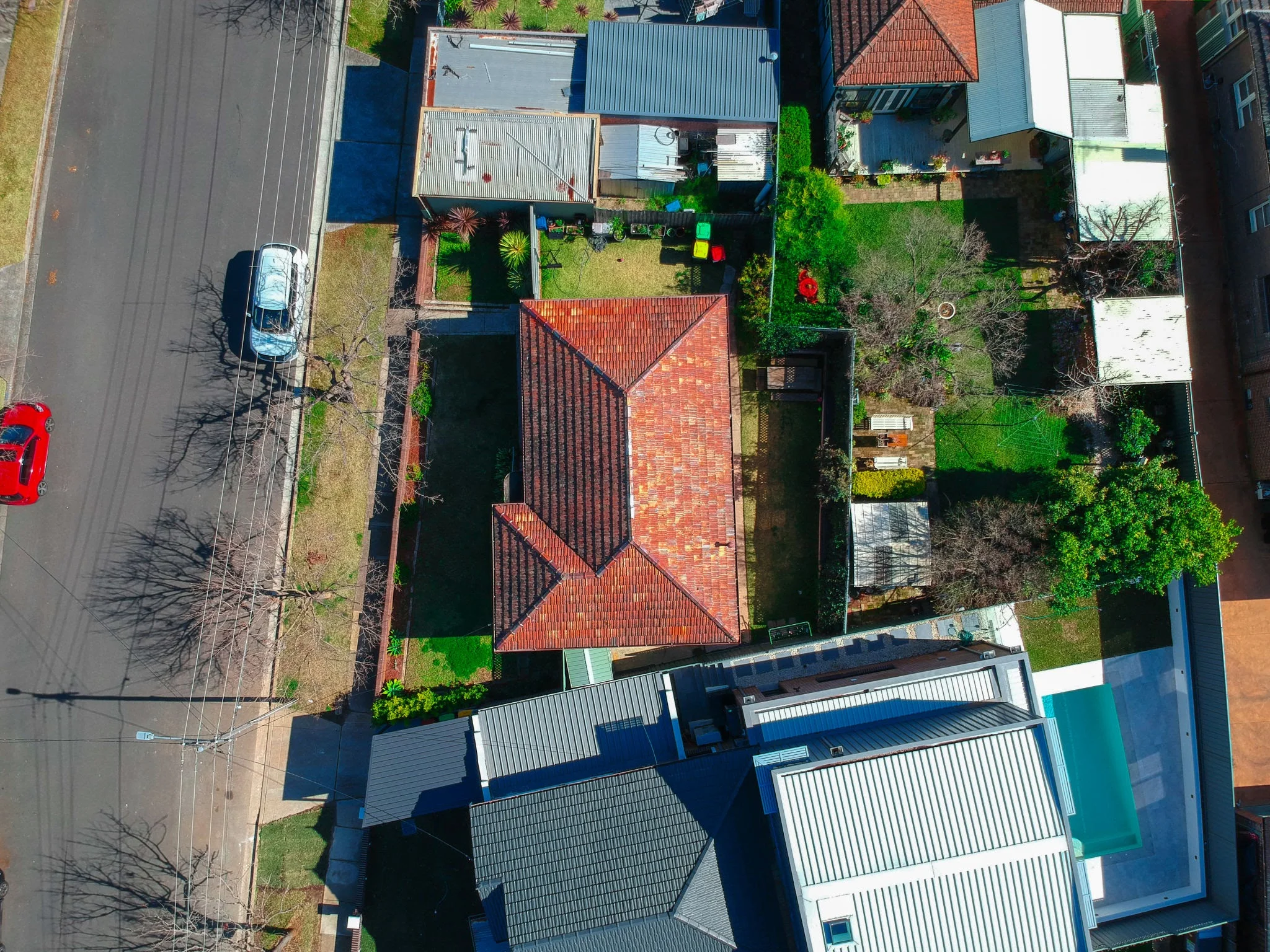
Roof Lifespan by Material Type
Every roofing material has a different structural lifespan and a different surface lifespan. Understanding both helps you plan maintenance and budget for future work.
| Roof Material | Structural Lifespan | Surface/Coating Lifespan | When Restoration Is Typically Needed | When Replacement Is Needed |
|---|---|---|---|---|
| Concrete tiles | 40 to 60 years | 15 to 20 years (surface coating) | When surface has faded, chalked, or lost waterproofing | When tiles are crumbling, battens rotting, or structure failed |
| Terracotta tiles | 50 to 70+ years | 25 to 35 years (natural colour lasts longer) | When glaze has worn, pointing failed, or tiles cracking | Rarely needed if maintained; individual tiles replaced as needed |
| Colorbond steel | 40 to 50 years | 20 to 30 years (factory coating) | When colour has faded, minor surface corrosion, screw holes leaking | When widespread corrosion, panel perforation, or structural rust |
| Slate | 75 to 100+ years | Indefinite (natural stone) | Individual slate replacement, re-flashing, repointing | Extremely rare; usually only if substructure has failed |
| Cement fibre (fibro) | 30 to 40 years | N/A (requires specialist handling if asbestos) | Not typically restored; usually replaced | When deteriorating, cracking, or for asbestos management |
The key distinction is that structural lifespan and surface lifespan are different things. A concrete tile roof may have 30 years of structural life remaining but its surface coating has completely failed, meaning it needs restoration (cleaning, repairs, repainting) to protect the tiles for the rest of their structural life. Without that restoration, the exposed tiles deteriorate much faster because they have lost their waterproofing layer.
For a deeper comparison of tile types, read types of roof tiles Australia.
“The biggest misconception homeowners have is thinking their roof needs replacing when it actually just needs restoring. A concrete tile roof that looks terrible at 30 years old often has another 20 to 30 years of structural life in it. A restoration at half the cost of replacement protects it for the next decade and beyond.”
What Shortens Roof Lifespan in Melbourne
Melbourne’s climate creates specific challenges that accelerate roof deterioration. Understanding these factors helps you manage and mitigate them.
UV radiation breaks down surface coatings on all roof types. Concrete tile paint chalks and fades. Colorbond factory coating loses colour. Terracotta glaze wears over decades. North and west-facing roof planes receive the most UV and deteriorate fastest. This is why roof painting with a professional-grade membrane every 15 to 20 years is essential for concrete tiles.
Failed ridge capping mortar is the single biggest preventable cause of premature roof deterioration in Melbourne. When the mortar holding ridge caps in place cracks and falls away, water enters the roof cavity with every rain. This moisture rots timber battens and rafters, destroys insulation, promotes mould, and damages ceilings. Over years, what started as a simple repointing job becomes a structural problem.
Corroded valleys allow water directly into the roof cavity. Valley irons on Melbourne homes typically last 25 to 35 years before corrosion perforates the metal. Once a valley leaks, the water damage to surrounding timber and interior finishes accelerates rapidly. Valley replacement is a targeted repair that prevents this cascade.
Blocked gutters cause water to overflow behind the fascia, rotting the fascia board, soffit, and the rafter ends where they meet the eave. Regular gutter cleaning prevents this entirely. For homes surrounded by trees, gutter guards reduce debris buildup significantly.
Moss and lichen growth on shaded roof sections retains moisture against the tile surface, accelerating surface breakdown and promoting timber decay underneath. Professional roof cleaning removes this growth before it causes lasting damage.
Walking on the roof incorrectly cracks tiles, dislodges their waterproof overlap, and creates leak points. Read can you walk on roof tiles for guidance on safe access.
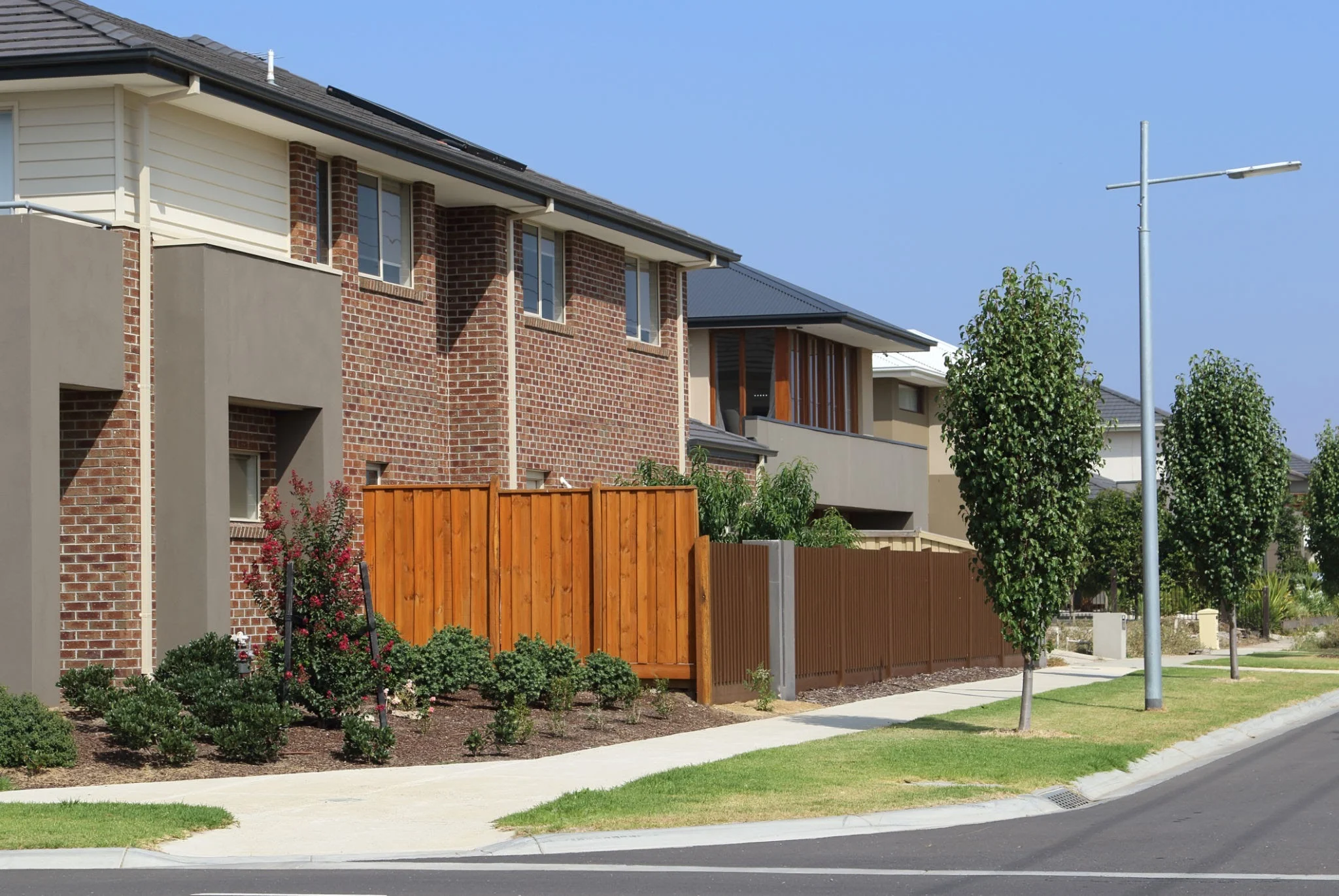
How Restoration Extends Roof Lifespan
Professional roof restoration does not just make your roof look better. It directly extends the structural lifespan of the underlying materials by restoring the protective layers that shield them from the elements.
For concrete tiles: A full restoration including cleaning, repointing, tile repairs, valley replacement where needed, and painting with a membrane coating adds 10 to 15 years to the surface lifespan and protects the tiles from moisture penetration that would otherwise shorten their structural life. Read more about concrete tile roof restoration Melbourne.
For terracotta tiles: Restoration involves cleaning, repointing and rebedding of ridge caps, replacing broken tiles, and flashing repair. Terracotta tiles can also be painted with specialised coatings to extend their surface life. Read the terracotta roof painting guide.
For Colorbond: Once the factory coating begins to fade, a professional repaint with a metal-rated coating system restores colour and corrosion protection. Read the Colorbond roof painting Melbourne guide. For homeowners considering colour options, best colour for roof paint and heat reflective roof paint cover the choices.
For cost comparisons between restoration and replacement, the roof restoration cost Melbourne and roof replacement cost Melbourne guides cover every variable.
Signs Your Roof Is Reaching the End of Its Lifespan
Some signs indicate the roof needs restoration (surface-level issues). Others indicate the roof may need replacement (structural failure). Knowing the difference saves you from overspending on a roof that just needs maintenance or underspending on a roof that is beyond saving.
Signs restoration can fix (surface lifespan issues):
Faded or chalking surface coating that has lost its colour and waterproofing properties. Cracked and crumbling ridge capping mortar along the roof peaks. Corroded valleys with visible rust but no structural perforation yet. Moss and lichen growth on shaded sections. Individual cracked or broken tiles. Minor flashing lifting. Read signs of roof damage Melbourne for the full checklist.
Signs replacement may be needed (structural lifespan issues):
Timber battens that are soft, rotting, or sagging when visible in the roof cavity. Multiple tiles that are crumbling or disintegrating rather than just surface-worn. Roof structure visibly sagging when viewed from ground level. Widespread timber decay in the roof frame. Asbestos roofing materials that are deteriorating. Read how roof leaks affect your home to understand how neglected surface issues eventually become structural problems.
A professional roof inspection determines definitively which category your roof falls into and what the most cost-effective path forward is.
How Melbourne’s Northern Suburbs Housing Stock Ages
The northern suburbs have a predictable pattern of roof ageing based on when each area was developed.
1950s to 1960s homes (found in Reservoir, Coburg, Preston, Thornbury, Northcote) often have original terracotta or early concrete tile roofs now 60 to 75 years old. These roofs are at or approaching the upper end of their structural lifespan, and most have had at least one restoration. Those that have never been restored are typically showing significant deterioration.
1970s to 1980s homes (found across the broader northern suburbs including Epping, Thomastown, Lalor, Bundoora) have concrete tile roofs now 40 to 55 years old. These are in their prime restoration window: the surface coating has failed but the tiles and structure have decades of life remaining. This is the ideal time for restoration because it protects the tiles before moisture damage shortens their structural life.
1990s to 2000s homes (found in Mill Park, Craigieburn, Wollert, Mernda, Doreen) have roofs now 25 to 35 years old. Most are approaching their first restoration need. Roof maintenance and early attention to ridge capping and gutters can delay a full restoration by several years.
For the suburb-by-suburb guide, read roof restoration in Melbourne’s northern suburbs.