What Does a House Roof Restoration Actually Include?
A proper house roof restoration is not just a coat of paint. It is a structured process that works through the roof in a specific order, with each stage preparing the surface for the next.
Inspection and Assessment
Every restoration starts with a thorough roof assessment to determine the scope of work. This includes checking the condition of tiles or sheets, mortar on ridge caps, valleys, flashings, gutters and the roof structure underneath. The assessment determines whether restoration is viable or whether the roof has deteriorated to the point where replacement makes more sense.
High-Pressure Cleaning
Years of dirt, moss, lichen and algae build-up need to come off before any repair or coating work begins. High-pressure cleaning removes biological growth and surface contamination so repairs bond properly and paint adheres to a clean surface. For roofs with heavy moss or lichen, this step alone can dramatically change the appearance. Regular roof cleaning is good maintenance practice, but as part of a restoration, it is a critical preparation step rather than a standalone service.
Tile Repairs and Replacement
Cracked, chipped and broken tiles are replaced with matching tiles. Shifted or lifted tiles are repositioned and re-bedded. On concrete tile roofs, surface erosion is common and badly worn tiles may need replacing even if they have not cracked. On terracotta roofs, tiles tend to hold their structural integrity longer but can crack from impact or foot traffic.
The number of tiles that need replacing is one of the key factors in deciding whether restoration is worthwhile. If only a small percentage need swapping, restoration is straightforward. If a large proportion are damaged, the cost of sourcing matching tiles and the labour involved can push the job closer to replacement territory.
Ridge Cap Repointing and Rebedding
The mortar that holds ridge caps (the peaked tiles along the top of the roof) is one of the first things to fail on a tiled roof. When the bedding mortar cracks, loosens or falls away, water gets underneath and into the roof space. Repointing cost is a common concern for homeowners, but it is one of the most important steps in a restoration because failed ridge caps are a leading cause of roof leaks.
Rebedding involves removing the old mortar entirely and re-laying the ridge caps with fresh mortar. Repointing then seals the mortar edges with a flexible pointing compound that moves with the roof as it expands and contracts through temperature changes.
Valley and Flashing Repairs
Valleys are the channels where two roof planes meet, and they carry the highest volume of water runoff. Old galvanised valleys corrode over time and are a frequent source of leaks. During a restoration, corroded valleys are replaced with new Colorbond or zincalume valleys.
Flashings around penetrations such as chimneys, vents and skylights are checked and replaced where needed. Failed flashings are another common leak entry point that a restoration picks up and fixes.
Sealing and Priming
Once all repairs are complete, the roof surface is primed or sealed to provide a consistent base for the final paint coat. Sealing also helps waterproof porous tiles and fills micro-cracks that could allow moisture penetration.
Roof Painting
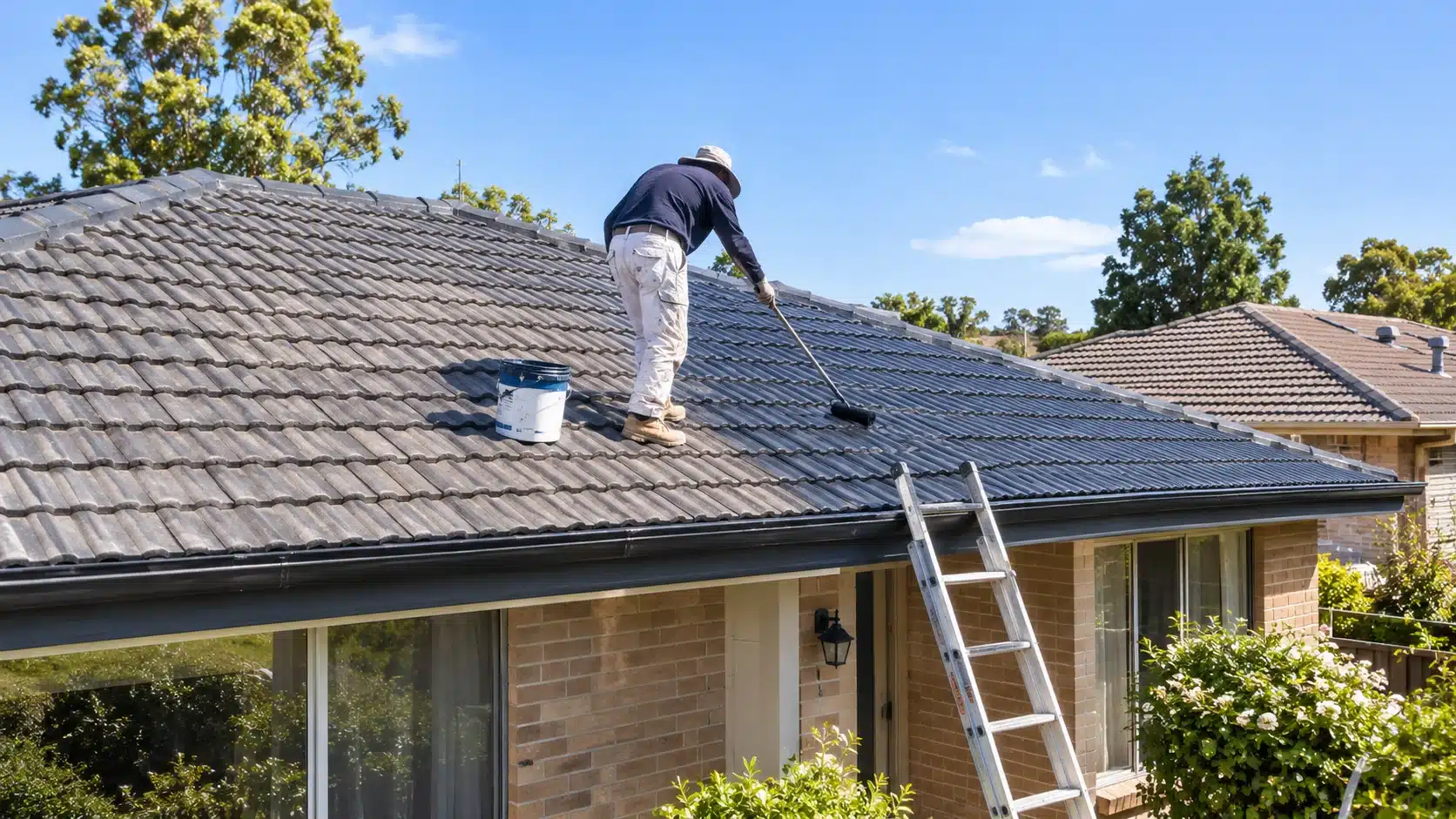
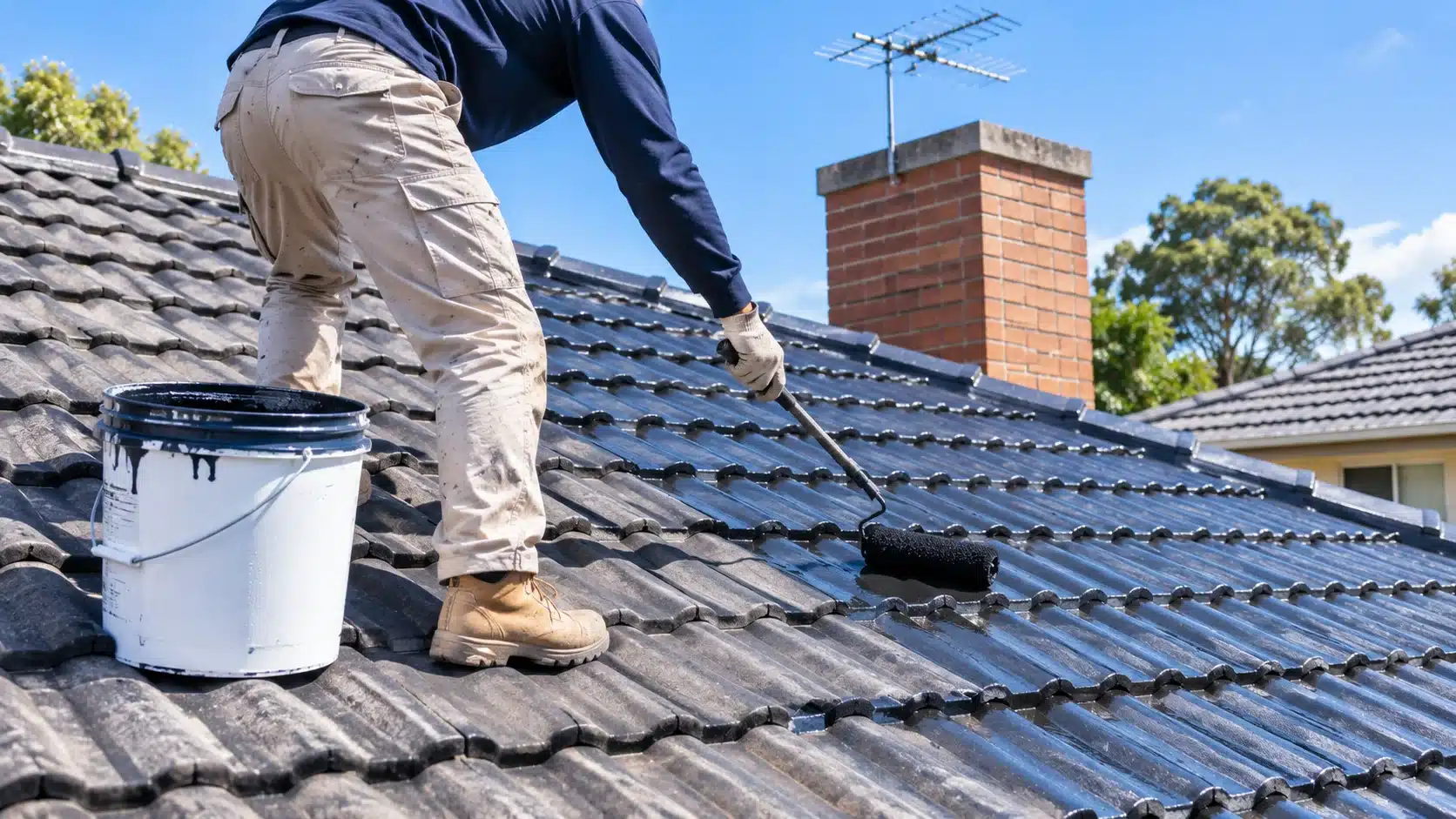
The final stage is applying a UV-resistant roof coating, usually in two coats. Quality roof paint protects the surface from UV degradation, water penetration and biological regrowth. It also transforms the appearance of the roof and can improve the energy efficiency of the home by reflecting more heat. Choosing the best roof paint for Australian conditions and the right colour for the home are both worth getting advice on before this stage.
When Does a House Roof Restoration Make Sense?
Restoration is the right call when the roof structure is sound but the surface and waterproofing have worn out. Specifically, it makes sense when:
The roof is between 15 and 30 years old and showing signs of wear but is not structurally compromised. Ridge cap mortar is cracked, loose or missing in sections. The roof has lost its paint coating and tiles are porous or stained. There are isolated cracked or broken tiles but the majority are intact. Valleys are showing early signs of corrosion but have not yet failed. Minor leaks have appeared during heavy rain but the timbers underneath are still in good condition.
Understanding the typical roof lifespan for your roof type helps put the timing in context. Most tiled roofs in Melbourne have a structural life of 50 years or more, but the surface coatings, mortar and valleys typically need attention well before that.
Restoration vs Repair vs Replacement
A common question homeowners face is whether to patch individual problems, invest in a full restoration, or go straight to replacement.
Spot repairs make sense for isolated issues on an otherwise sound roof. A single cracked tile, a small section of loose pointing or one leaking valley can be fixed without touching the rest of the roof. But if you are calling a roofer out every year for a different problem, the cumulative cost of repairs often exceeds what a one-off restoration would have cost.
Full restoration is the middle ground. It addresses every issue across the entire roof in one project, bringing everything up to the same standard. It costs significantly less than replacement and delivers a result that can last another 15 to 20 years.
Replacement is necessary when the roof structure has failed, timbers are rotting, more than a third of tiles are damaged beyond repair, or the roof type is reaching the end of its structural life. If you are weighing up the numbers, understanding roof replacement cost in Melbourne helps compare the two options side by side.
How Melbourne’s Climate Affects Roof Restoration Timing
Melbourne’s weather puts specific pressure on roofs that influences when restoration becomes necessary.
UV exposure breaks down paint coatings and makes tiles porous over time. North and west-facing roof planes typically deteriorate faster than south-facing ones. Seasonal temperature swings cause mortar to expand and contract, accelerating cracking in ridge cap bedding and pointing. Heavy rain and storms test valleys, flashings and any weak points in the surface. Moisture combined with shade encourages moss and lichen growth, which holds moisture against the tile surface and accelerates wear.
Most roofing professionals recommend assessing a tiled roof for restoration potential around the 15 to 20-year mark, or earlier if visible signs of deterioration have appeared. Getting a roof assessment before problems become urgent gives homeowners time to plan and budget rather than reacting to an emergency leak.
Choosing the Right Roofing Company
A house roof restoration is a significant investment, and the quality of the work determines whether it lasts 5 years or 20. When getting quotes, it is worth knowing what questions to ask a roofing company to make sure the scope covers every stage properly and the materials being used are appropriate for Melbourne conditions.
Look for a company that includes a full inspection in its quote, specifies the paint system and number of coats, details the mortar and pointing materials, and provides a written warranty on the completed work.
Roof Restoration Northern Suburbs works across Melbourne’s northern suburbs, handling every stage of the restoration process from initial assessment through to the final coat of paint. Whether your roof needs a full restoration or you are not sure whether to restore or replace, the team can inspect the roof and give you a clear recommendation. Get in touch for a free quote.