Are Gutter Guards Worth It? The Honest Answer Based on Your Home, Your Trees, and Your Roof
- Blog
- September 15, 2026
Quick Overview:
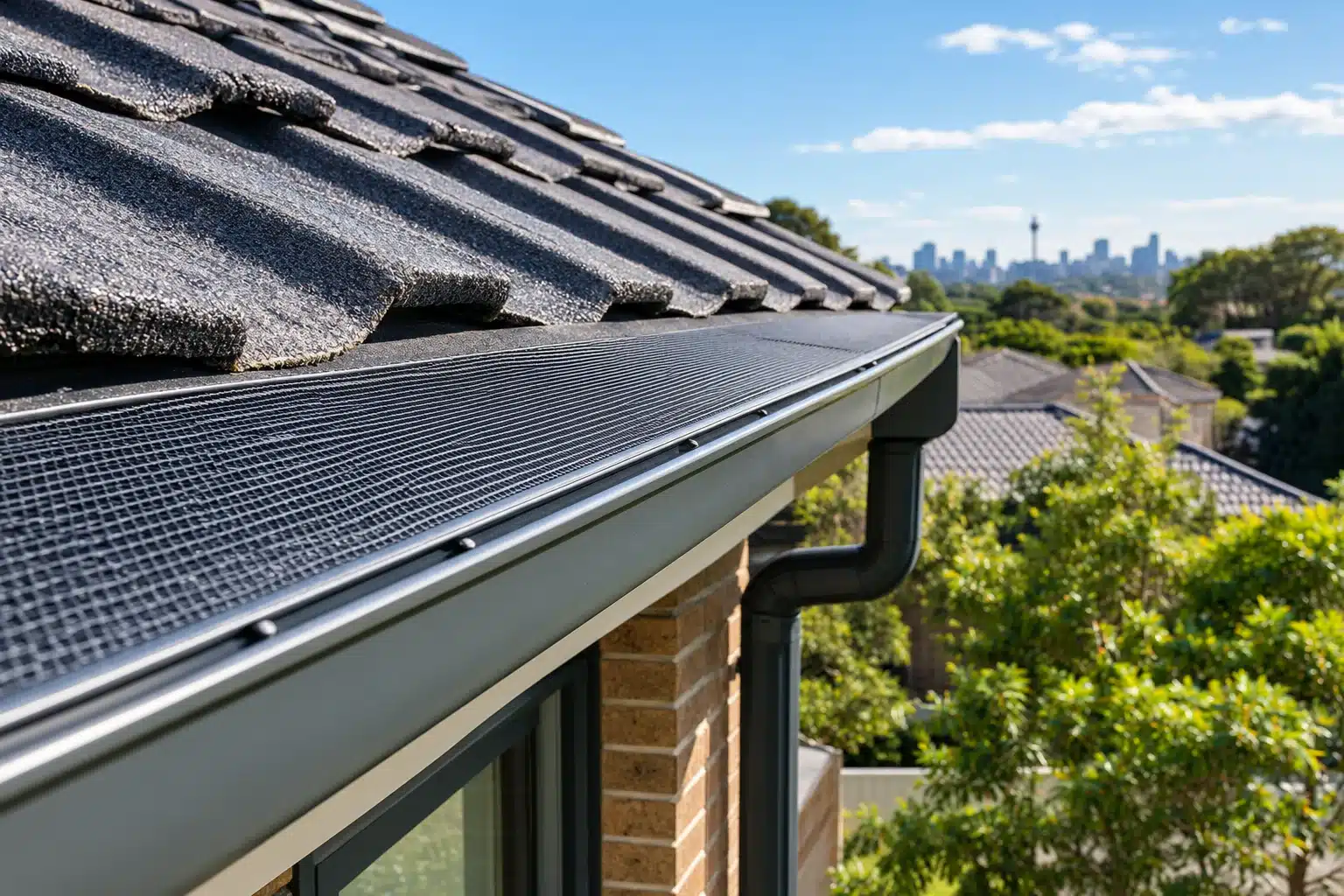
Are gutter guards worth it? For most homes in Melbourne’s northern suburbs, yes. Gutter guards prevent leaves, twigs, bark, seed pods, and debris from entering the gutter channel, which means fewer blockages, less gutter overflow, reduced risk of water damage to fascia and eaves, less frequent professional cleaning, and lower long-term maintenance costs. However, gutter guards are not maintenance-free. They still need periodic inspection and cleaning (just far less frequently than unprotected gutters), and the wrong type of guard for your roof and tree environment can create more problems than it solves. The best candidates for gutter guards are homes with heavy tree canopy, homes where gutter blockage has caused overflow and water damage, homes with difficult or dangerous gutter access (steep pitch, multi-storey), and rental or investment properties where regular gutter cleaning is harder to schedule. At Roof Restoration Northern Suburbs, gutter guard installation is one of our most popular add-on services during roof restorations because homeowners see the most value when guards are installed alongside other roofing work.
The Case For Gutter Guards
Gutter guards deliver measurable benefits in the right situation.
Dramatically reduced gutter blockage. This is the primary benefit. Blocked gutters overflow during rain, sending water behind the fascia, into the eave cavity, down the walls, and into the foundation area. Over time, this overflow causes fascia rot, eave damage, wall staining, foundation moisture, and garden bed erosion. Guards prevent the debris from entering the gutter in the first place, which prevents the blockage cascade. For a broader understanding of what gutter overflow causes, read how roof leaks affect your home.
Table of Contents
ToggleLess frequent professional cleaning. Unprotected gutters in tree-heavy areas of Melbourne’s northern suburbs need cleaning two to four times per year. With properly installed gutter guards, cleaning frequency drops to once every one to two years (periodic inspection and clearing of any debris that accumulates on top of the guard). Over a decade, the savings in cleaning costs alone can exceed the cost of the guards.
Reduced fire risk. Dry leaves and debris in gutters are a fire hazard during Melbourne’s bushfire season. Embers carried by wind can ignite dry gutter debris and set fire to the eave structure. Gutter guards reduce the volume of combustible material accumulating in the gutter system.
Prevention of pest nesting. Open gutters provide sheltered nesting sites for birds, possums, rats, and insects. Guards block access to the gutter channel, reducing pest activity around the roofline.
Protection of roof valley discharge. Roof valleys discharge water into the gutter at high volume. When the gutter at a valley discharge point is blocked, water backs up and overflows at the point of highest concentration, often causing significant water damage. Guards keep the gutter clear at these critical discharge points.
“The homeowners who get the most value from gutter guards are the ones who are paying for gutter cleaning three or four times a year and still getting overflow problems between cleans. For them, the guards pay for themselves within a few years and the overflow damage stops completely.”
The Case Against (When Guards Are Not Worth It)
Gutter guards are not the right investment for every home.
Homes with minimal tree coverage. If your home is in an open area with no overhanging trees and minimal leaf fall, your gutters may only need cleaning once or twice a year. At that frequency, the cost of guards may not be recovered through cleaning savings within a reasonable timeframe.
Homes where gutters are easily accessible. Single-storey homes with low-pitched roofs where a ladder and a pair of gloves are all that is needed for a quick clean may not justify the investment, particularly if tree coverage is light.
Very tight budgets. If the budget is limited and the roof needs other more urgent work (repointing, valley replacement, tile repairs), prioritise the repairs that prevent active water damage before investing in preventive accessories.
Wrong guard type for the tree environment. This is where many homeowners go wrong. Installing a guard that is not suited to the specific type of debris your trees produce (fine needles vs broad leaves vs seed pods vs flowers) leads to frustration because the guard either lets the debris through or becomes clogged on top. We cover the right guard types below.
Cost vs Savings: The Real Numbers
The value of gutter guards is a straightforward cost comparison over time.
| Factor | Without Gutter Guards | With Gutter Guards |
|---|---|---|
| Professional gutter cleaning | 2 to 4 times per year at $200 to $400 per clean | Once every 1 to 2 years at $200 to $400 per clean |
| Annual cleaning cost (tree-heavy property) | $600 to $1,600 per year | $100 to $400 per year |
| 10-year cleaning cost | $6,000 to $16,000 | $1,000 to $4,000 |
| Gutter guard installation cost | $0 | $1,500 to $4,000 (one-time) |
| 10-year total cost | $6,000 to $16,000 | $2,500 to $8,000 |
| 10-year saving with guards | N/A | $3,500 to $8,000 |
| Overflow damage repair costs (fascia rot, eave damage, ceiling stains) | Possible, often $1,000 to $5,000+ per incident | Prevented |
| Gutter replacement frequency | More frequent (debris accelerates corrosion) | Less frequent (cleaner gutters last longer) |
For homes in tree-heavy suburbs like Reservoir, Bundoora, Greensborough, and Epping, the payback period is typically two to four years. After that, the guards are saving money every year. For the broader gutter cost picture, the gutter replacement cost guide covers when replacement (with guards) is more cost-effective than ongoing maintenance of old gutters.
Types of Gutter Guards: Which One Works for Your Roof
Not all gutter guards perform equally, and the right choice depends on your roof type, gutter profile, and the specific debris your trees produce.
| Guard Type | How It Works | Best For | Limitations |
|---|---|---|---|
| Micro-mesh (stainless steel) | Fine mesh with tiny holes that allow water through but block all debris including fine particles | Heavy leaf fall, pine needles, eucalyptus flowers, seed pods | Higher cost, needs periodic brushing to clear surface debris |
| Aluminium mesh | Aluminium sheet with punched holes or expanded mesh profile | Broad leaves, general debris, moderate tree coverage | Fine debris (needles, flowers, gum blossoms) can pass through larger holes |
| Colorbond steel mesh | Colour-matched steel mesh that integrates with the roof aesthetic | Visible gutters where appearance matters, general debris | Similar to aluminium mesh for fine debris |
| Plastic or PVC mesh | Lightweight plastic mesh clipped over the gutter | Budget option, light debris, temporary protection | UV degrades plastic over time, warps in heat, shorter lifespan |
| Brush-style inserts | Cylindrical brush sits inside the gutter channel, blocking large debris | Quick DIY solution, broad leaves | Fine debris collects in the brush bristles, requires regular removal and cleaning |
| Foam inserts | Porous foam block sits inside the gutter, water filters through | Very budget, very temporary | Clogs quickly, degrades in UV, promotes mould growth, not recommended long-term |
For Melbourne’s northern suburbs, where eucalyptus is the dominant tree species producing leaves, bark strips, seed capsules, and fine flower debris, micro-mesh (stainless steel) is the most effective option. It blocks everything while allowing water flow, handles heavy rain volumes, and withstands Melbourne’s UV and temperature extremes without degrading.
At Roof Restoration Northern Suburbs, we install micro-mesh and aluminium mesh guards matched to each property’s specific roof type, gutter profile, and tree environment.
Common Gutter Guard Myths
Several misconceptions cause homeowners to either avoid guards when they would benefit or expect unrealistic performance.
Myth: Gutter guards mean you never need to clean your gutters again.
Reality: Guards dramatically reduce cleaning frequency but do not eliminate maintenance entirely. Debris accumulates on top of the guard surface over time and needs periodic clearing (typically once every one to two years instead of two to four times per year). Some fine particles may pass through the mesh and accumulate in the gutter channel slowly. A periodic check ensures everything is flowing properly.
Myth: All gutter guard types work the same.
Reality: The difference between guard types is significant. A foam insert that clogs within months is a completely different product from a stainless steel micro-mesh that lasts 15 to 20 years. Choosing the wrong type for your tree environment leads to frustration and wasted money.
Myth: Gutter guards cause water to overshoot the gutter during heavy rain.
Reality: Properly installed guards with the correct profile and mesh aperture handle heavy rain volumes without overshooting. Overshooting only occurs when guards are installed at the wrong angle, when the mesh is too fine for the rain intensity, or when debris has accumulated on top and is redirecting water flow. Correct installation and occasional maintenance prevent this.
Myth: Gutter guards void your roof warranty.
Reality: Quality gutter guards installed by a professional do not void any roof warranty. They are an accessory that sits on or over the gutter, not a modification to the roofing structure.
When to Install Gutter Guards
The ideal time to install gutter guards is during a broader roofing project.
During a roof restoration is the most cost-effective timing. When your roof is being cleaned, repointed, and painted, the gutters are already being cleared and accessed. Adding guard installation to the restoration scope saves on separate mobilisation costs and ensures the guards are fitted to clean, properly aligned gutters. The roof restoration cost Melbourne guide covers how guard installation fits within a full restoration budget.
When replacing gutters is another natural installation point. New gutters fitted with guards from the start are the cleanest, most integrated solution. The gutter replacement cost guide covers combined pricing.
As a standalone project is also an option when your gutters are in good condition but blockage is causing ongoing problems. Standalone guard installation typically takes a day for a standard home.
Before Melbourne’s storm season (late spring through autumn) is the best seasonal timing. Guards installed before the heavy rain period protect the gutters when they are working hardest.
For homes where existing gutter blockage has already caused damage, repairing the damage and installing guards simultaneously prevents the same damage from recurring.
Who Benefits Most from Gutter Guards
Based on our experience across Melbourne’s northern suburbs, these homeowners get the most value from gutter guard installation.
Homes surrounded by eucalyptus trees. Eucalyptus drops leaves, bark, seed capsules, and fine flowers year-round, not just in autumn. These homes need gutter cleaning three to four times per year without guards and still experience overflow between cleans.
Multi-storey homes. Cleaning gutters on a two-storey home is more expensive (scaffolding or elevated work platform required), more dangerous, and harder to schedule. Guards reduce the cleaning frequency and eliminate the ongoing access cost.
Rental and investment properties. Tenants do not clean gutters, and landlords cannot inspect them regularly. Guards provide passive protection that works without anyone needing to remember or schedule maintenance.
Elderly homeowners or those with mobility limitations. Climbing ladders to inspect and clean gutters is a safety risk. Guards dramatically reduce the need for gutter-level access.
Homes that have experienced gutter overflow damage. If blocked gutters have already caused fascia rot, eave damage, ceiling stains, or wall staining, guards prevent the same damage recurring after repairs. The roof maintenance checklist covers how guards fit into an overall roof maintenance plan.
Are Gutter Guards Worth It? The Honest Comparison
Cost, savings, who benefits most, and which guard type suits your roof and trees.
10-Year Cost Comparison
Without Guards
$6,000 to $16,000
over 10 years
Cleaning 2 to 4 times per year
$200 to $400 per clean
Overflow damage risk every storm
Faster gutter corrosion from debris
With Guards
$2,500 to $8,000
over 10 years (including installation)
Cleaning once every 1 to 2 years
$1,500 to $4,000 one-time install
Overflow damage prevented
Gutters last longer (less debris corrosion)
Guard Types Compared
Micro-Mesh (Stainless Steel)
Blocks: Everything including fine debris
Lifespan: 15 to 20+ years
Best for: Eucalyptus, heavy tree coverage
RECOMMENDED FOR MELBOURNE
Aluminium Mesh
Blocks: Broad leaves, general debris
Lifespan: 10 to 15 years
Best for: Moderate tree coverage, budget-friendly
Foam and Brush Inserts
Blocks: Large debris only
Lifespan: 1 to 3 years
Best for: Temporary, budget only
NOT RECOMMENDED LONG TERM
Who Benefits Most
Heavy Tree Coverage
Eucalyptus, deciduous trees, mature canopy. Gutters block constantly. Guards pay for themselves within 2 to 4 years.
Multi-Storey Homes
Expensive and dangerous gutter access. Guards eliminate most of the ongoing access requirement.
Rental Properties
Tenants do not clean gutters. Guards provide passive protection without needing anyone to schedule maintenance.
💡 The Bottom Line
For homes with heavy tree coverage, multi-storey access challenges, or a history of gutter overflow damage, gutter guards pay for themselves within two to four years and save money every year after that. For homes with minimal trees and easy gutter access, the investment may not be necessary. The best time to install is during a roof restoration when the gutters are already being accessed.
roofrestorationnorthernsuburbs.com.au | Roof Restoration Northern Suburbs
Frequently Asked Questions
Q1. How much do gutter guards cost in Melbourne?
Gutter guard installation for a standard Melbourne home typically costs $1,500 to $4,000 depending on the home's size, the gutter length, roof accessibility, and the guard type selected. Micro-mesh stainless steel guards are at the higher end. Aluminium mesh guards are more affordable. The investment pays for itself within two to four years through reduced cleaning costs for homes with heavy tree coverage. Contact Roof Restoration Northern Suburbs for a free assessment and quote.
Q2. Do gutter guards work in heavy rain?
Yes. Properly installed micro-mesh and aluminium mesh guards handle heavy Melbourne rain volumes without overshooting or restricting flow. The mesh allows water to pass through at a rate that exceeds typical rainfall intensity. Overshooting only occurs when guards are incorrectly installed (wrong angle or profile) or when accumulated debris on top redirects the water flow, which is resolved by periodic clearing.
Q3. How often do gutter guards need cleaning?
With quality guards, cleaning frequency drops from two to four times per year (unprotected gutters in tree-heavy areas) to once every one to two years. The cleaning involves clearing debris that has accumulated on top of the guard surface and checking that water is flowing through correctly. This is faster and easier than cleaning an unprotected, blocked gutter.
Q4. What type of gutter guard is best for eucalyptus trees?
Stainless steel micro-mesh is the most effective guard for eucalyptus environments because it blocks not just the broad leaves but also the fine debris that eucalyptus produces: bark strips, tiny seed capsules, gum blossom flowers, and fine particles that pass through larger mesh types. Aluminium mesh with smaller apertures is a more affordable alternative that handles most eucalyptus debris effectively.
Q5. Can gutter guards be installed on old gutters?
Yes, as long as the gutters are structurally sound, properly aligned, and not significantly corroded. If the gutters are sagging, rusted through, or misaligned, they should be repaired or replaced before guards are installed. Installing guards on failing gutters means removing and reinstalling them when the gutters are eventually replaced, which doubles the labour cost.
Do not wait for a small problem to become a big one. If you have spotted broken, cracked, or missing tiles on your Melbourne northern suburbs home, the team at Roof Restoration Northern Suburbs is ready to help. Get in touch today for a no-obligation inspection and quote.
Contact us today for a free, no‑obligation roof assessment and quote.
If you want a thorough and safe roof cleaning, don’t hesitate to reach out to us for expert services. We can handle everything from roof cleaning to roof restoration.
- 0489 088 778
- info@roofrestorationnorthernsuburbs.com.au
- 32 Milleara Road Keilor East VIC 3033
- Mon-Sat : 8AM – 5PM