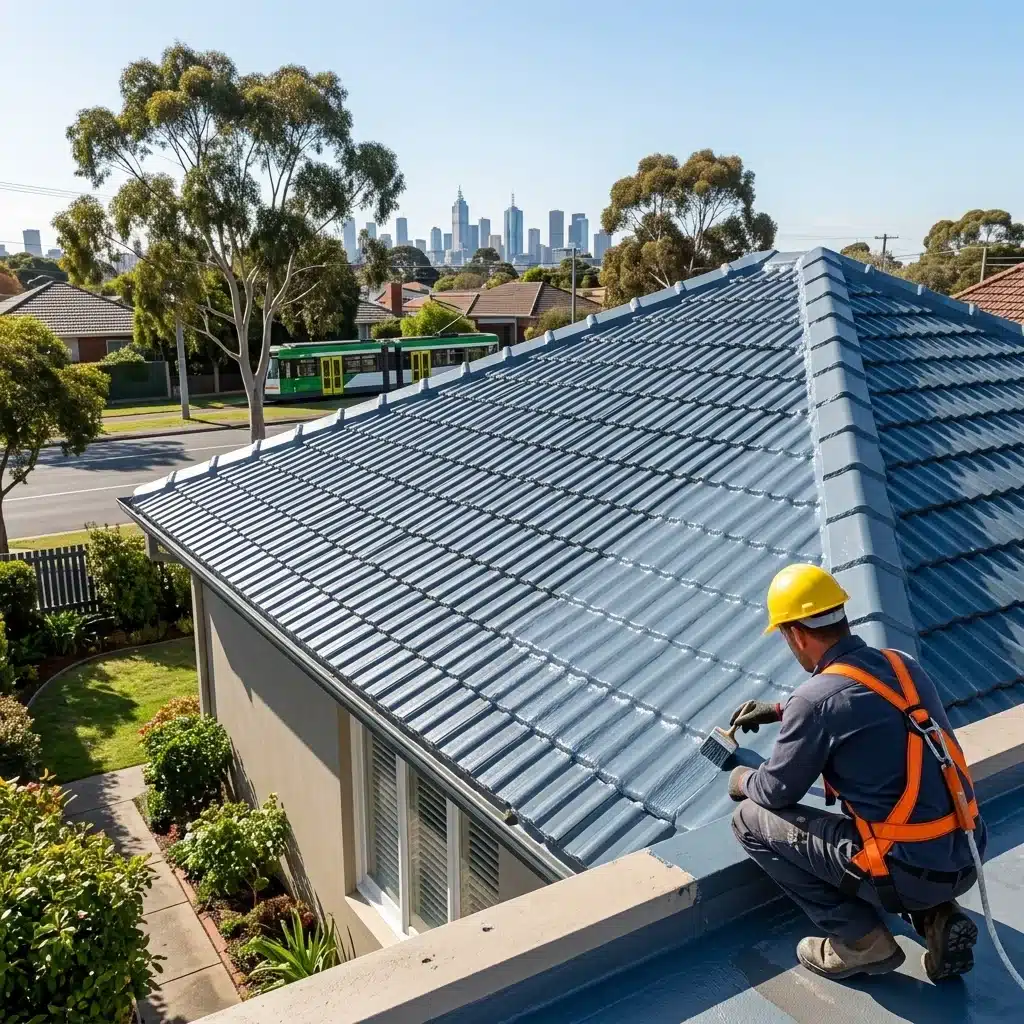
Why Roof Waterproofing Melbourne Homes Is Essential
Melbourne roofs experience constant exposure to heavy rainfall, strong UV rays, winter moisture, debris buildup, and rapidly changing temperatures. The city is known for experiencing multiple weather conditions in a single day, and that unpredictability takes a real toll on roofing materials over time.
Without waterproof protection, moisture enters through cracked tiles, damaged flashing, broken pointing, roof valleys, and porous surfaces. What starts as a minor issue, a small crack in a ridge cap or a loose tile after a storm, can quickly develop into a serious problem once water finds a way in.
The northern suburbs of Melbourne, including areas like Broadmeadows, Bundoora, Craigieburn, Epping, Greensborough, Mill Park, Preston, Reservoir, and Thomastown, have a mix of older tiled roofs and newer builds that all face the same weather exposure. Older homes in particular are more vulnerable because the original waterproofing has gradually worn away over decades.
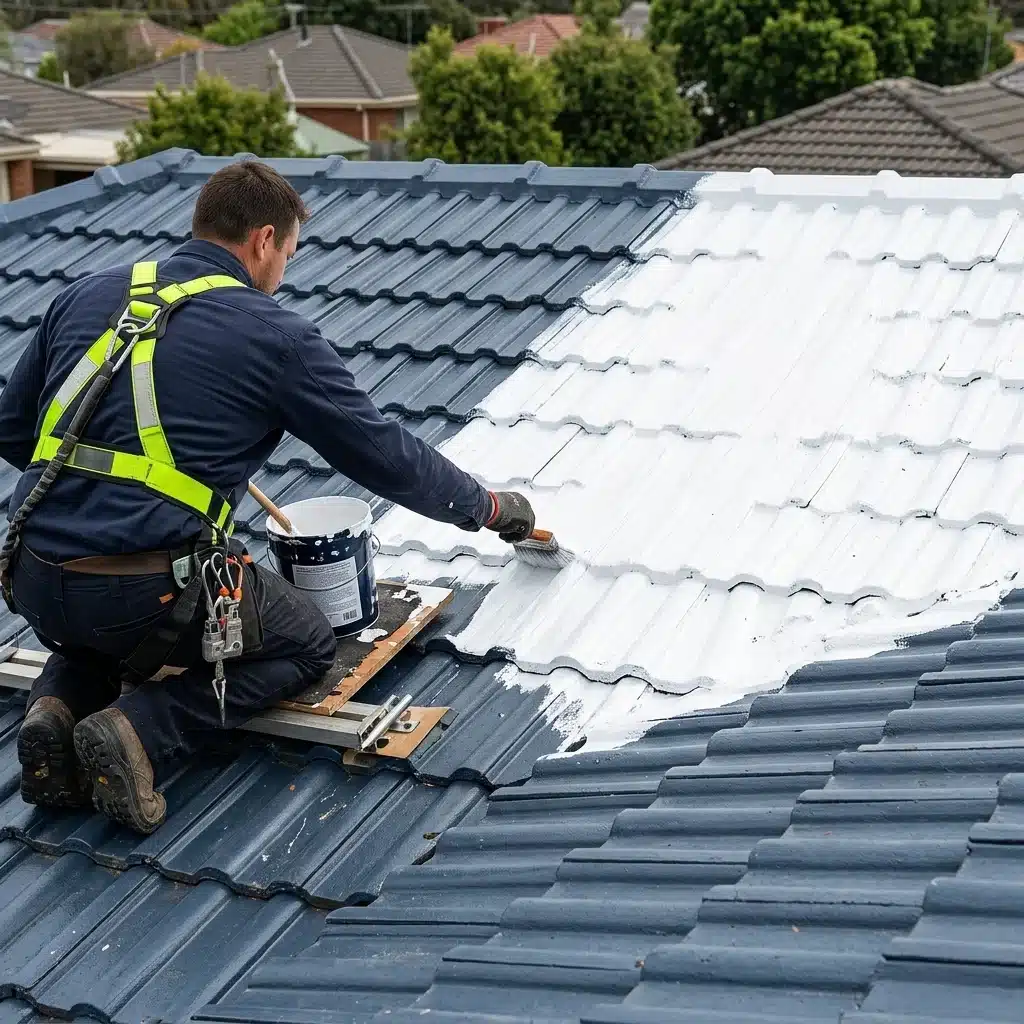
Common Problems Caused by Poor Waterproofing
| Roofing Problem | Potential Damage |
|---|---|
| Roof leaks | Ceiling stains, mould growth, and water damage to internal walls |
| Moisture penetration | Timber rot in roof beams and framing |
| Cracked pointing | Water entry through ridge caps and hip caps |
| Damaged flashing | Internal water damage around chimneys, vents, and wall junctions |
| Blocked gutters | Overflow causing fascia damage and foundation moisture |
| Porous roof tiles | Reduced roof lifespan and accelerated deterioration |
“Most major roof leaks begin as small waterproofing failures that homeowners do not notice until the damage has already spread inside the home.”
If you are unsure about the current condition of your roof, a professional roof inspection can identify early waterproofing issues before they become expensive repairs.
What Is Roof Waterproofing?
Roof waterproofing is the process of protecting roofing surfaces from water penetration by applying sealants, protective coatings, or membrane systems that create a durable moisture-resistant barrier.
For residential homes in Melbourne’s northern suburbs, roof waterproofing typically involves roof sealing with protective coatings, repointing and rebedding of ridge caps and hip caps, replacing damaged or cracked tiles, repairing or replacing roof flashing around chimneys and vents, and replacing corroded or damaged roof valleys.
The goal is to create an unbroken barrier across the entire roof surface so that rainwater runs off into the gutter system without finding a way through to the structure underneath.
For many Melbourne homes, waterproofing is combined with roof restoration to improve both protection and appearance at the same time. A full restoration typically includes cleaning, repairs, repointing, sealing, and painting, which addresses waterproofing as part of a complete roof renewal.
Signs Your Roof Needs Waterproofing
Many homeowners only notice roofing issues after visible leaks appear inside the home. By that point, the damage has usually been developing for months or even years underneath the surface.
Here are the earlier warning signs that indicate your roof’s waterproofing has failed or is failing.
Common Signs of Waterproofing Failure
Water stains on ceilings or walls, especially after rain. These are the most obvious sign and indicate that water is already penetrating through the roof structure.
Mould or mildew growth in the roof cavity, ceiling corners, or on internal walls. Mould needs moisture to grow, so its presence means water is getting in somewhere.
A damp or musty smell inside the home, particularly after rain or in humid conditions.
Cracked, loose, or crumbling roof pointing along the ridge line and hip caps.
Loose, cracked, or displaced roof tiles that are no longer sitting flat.
Overflowing or consistently blocked gutters, which cause water to back up under the roof edge.
Rusted, lifted, or separated flashing around chimneys, vents, and wall junctions.
Visible leaks during or immediately after rainfall.
If you are noticing any of these signs, do not wait for the problem to worsen. Contact Roof Restoration Northern Suburbs for a free roof assessment before small issues become costly structural repairs.
How Melbourne Weather Damages Roofs
Melbourne weather creates unique roofing challenges.
Weather Conditions That Affect Roof Waterproofing
| Weather Condition | Roofing Impact |
|---|---|
| Heavy rain | Water penetration |
| UV exposure | Surface deterioration |
| Wind storms | Tile displacement |
| Cold temperatures | Cracking and contraction |
| Moisture buildup | Mould and rot |
Older roofs are especially vulnerable because protective surfaces gradually wear down over time.
This is why waterproofing is often recommended during roof restoration projects.
Roof Waterproofing Solutions for Melbourne Homes
Different roofing systems require different waterproofing approaches. For residential homes in Melbourne’s northern suburbs, the most effective solutions address the specific points where water is most likely to enter.
Roof Sealing
Roof sealing applies a protective coating across the roof surface that creates a barrier against moisture and UV exposure. This is one of the most cost-effective waterproofing methods for tiled and concrete roofs, particularly older roofs where the original surface has become porous over time. Sealing is commonly performed as the final step in a roof restoration, applied after cleaning, repairs, and repointing are complete. Learn more about roof sealing in Melbourne.
Roof Repointing and Rebedding
The pointing along ridge caps and hip caps is one of the most common failure points for waterproofing on tiled roofs. Over time, the cement bedding cracks and crumbles, and the flexible pointing on top deteriorates from UV exposure. When this happens, water enters directly through the gaps at the top of the roof. Repointing and rebedding restores the waterproof seal along these critical areas. Learn more about roof repointing and rebedding.
Roof Tile Repairs
Broken, cracked, or displaced roof tiles are one of the most common causes of roof leaks in Melbourne. A single cracked tile can allow significant amounts of water to enter the roof cavity during heavy rain. Replacing damaged tiles promptly is essential for maintaining the waterproof integrity of a tiled roof. Learn more about roof tile repairs in Melbourne.
Roof Valley Replacement
Roof valleys are the metal channels that direct rainwater off the roof where two roof planes meet. Over time, valleys corrode, develop holes, or separate from the surrounding tiles. Damaged valleys are a common source of hidden leaks because the water damage often occurs inside the roof cavity before it becomes visible on the ceiling. Learn more about roof valley replacement.
Leaking Roof Repairs
For roofs that are already leaking, targeted repairs can restore waterproof integrity without requiring a full restoration. This may include patching, resealing, flashing replacement, or localised tile work depending on where the leak is occurring. Learn more about leaking roof repairs in Melbourne.
Roof Waterproofing vs Roof Restoration
Homeowners often ask whether they need waterproofing or a full roof restoration. The answer depends on the current condition of the roof.
Comparison Table
| Feature | Roof Waterproofing | Roof Restoration |
|---|---|---|
| Focus | Stopping water entry and preventing leaks | Complete roof renewal including appearance |
| Scope | Targeted repairs to specific waterproofing failure points | Full process: cleaning, repairs, repointing, sealing, and painting |
| When needed | When leaks or moisture issues are present but the roof is structurally sound | When the roof has multiple issues and looks tired or worn |
| Cost | Lower, as work is targeted to specific areas | Higher, but addresses all roofing issues comprehensively |
| Result | Waterproof protection restored | Waterproof protection plus improved appearance and extended lifespan |
| Longevity | Varies by scope of work | 10 to 15+ years for a full restoration |
In many cases, waterproofing is included as part of a full roof restoration. If your roof needs repointing, tile replacement, and sealing, a full restoration is usually the more cost-effective option because it addresses everything at once.
For roofs that are in reasonable condition but have a specific leak or waterproofing concern, targeted repairs may be all that is needed. A professional roof inspection will determine the best approach.
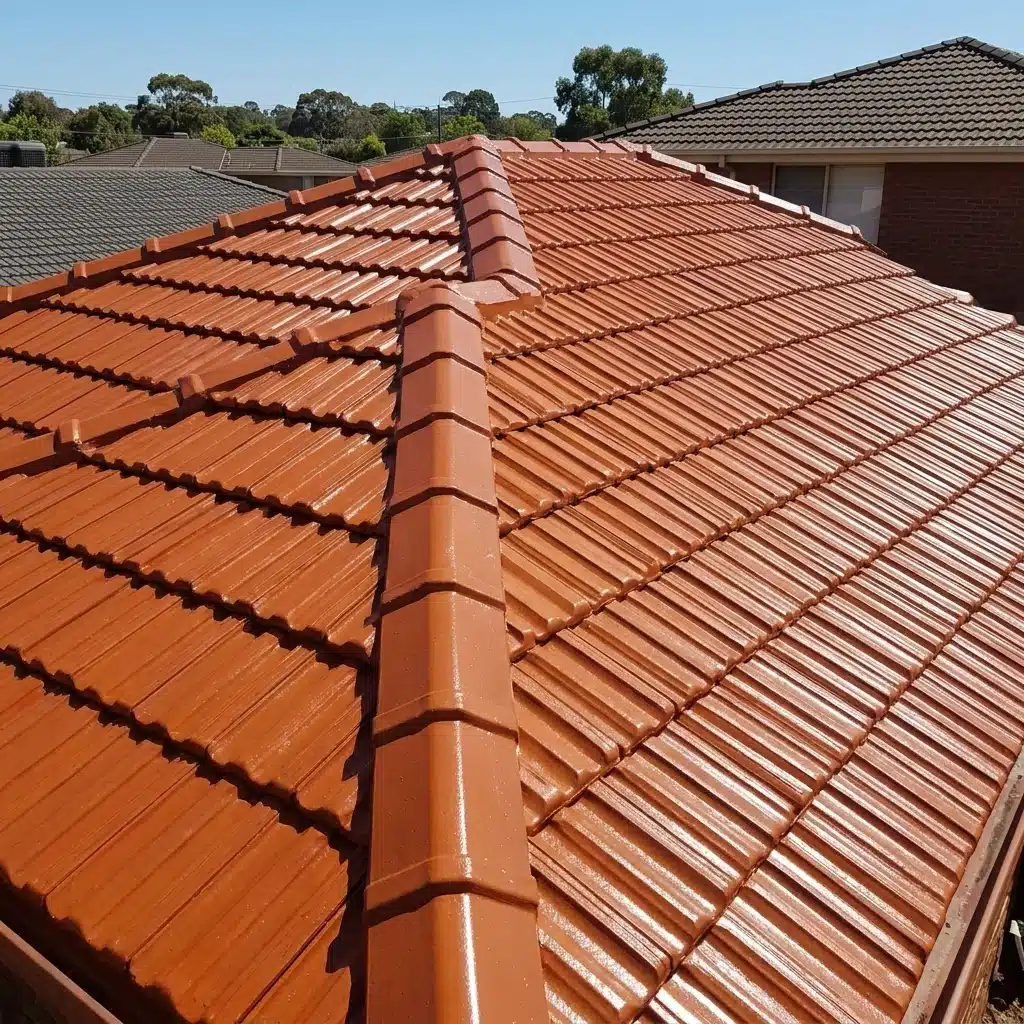
Benefits of Roof Waterproofing
Prevents Expensive Water Damage
Water leaks can damage:
- ceilings
- insulation
- plaster
- electrical systems
- timber structures
Waterproofing helps reduce these risks.
Extends Roof Lifespan
Protective coatings and repairs help roofing materials last longer.
This delays costly roof replacement.
Improves Energy Efficiency
Waterproof roofing systems often improve insulation performance and temperature regulation.
This can help reduce heating and cooling costs.
Reduces Future Maintenance
A waterproofed roof generally requires fewer emergency repairs over time.
Common Waterproofing Mistakes Homeowners Make
Ignoring Small Leaks
Small leaks rarely stay small.
Delaying repairs often increases damage and costs.
DIY Waterproofing Products
Many hardware store waterproofing products only provide temporary results.
Incorrect application can sometimes trap moisture underneath the roof surface.
Skipping Roof Inspections
Regular inspections help identify:
- cracked pointing
- damaged flashing
- tile movement
- drainage issues
before leaks become serious.
Related internal link:
Roof Assessment Melbourne
Why Professional Roof Waterproofing Matters
Professional roof waterproofing involves more than applying sealant.
Experienced roofing professionals assess:
- roof condition
- drainage systems
- structural weaknesses
- moisture entry points
- ventilation issues
At Roof Restoration Northern Suburbs, waterproofing solutions are tailored to Melbourne roofing conditions and different roof types.
Roof Waterproofing for Different Roof Types
Tiled Roofs
Tiled roofs are the most common roof type in Melbourne’s northern suburbs. Waterproofing typically involves repointing and rebedding ridge caps, replacing cracked or broken tiles, sealing the roof surface with a protective coating, and repairing or replacing damaged valleys and flashing. Tiled roofs are durable but the mortar and pointing are the weak points that need regular maintenance. Learn more about roof tile repairs.
Metal Roofs
Metal roofs are generally low-maintenance but can develop waterproofing issues over time, particularly around screw fixings, joins, and flashing. Rust is the main concern for older metal roofs, as corrosion creates holes that allow water through. Waterproofing for metal roofs typically involves rust treatment, resealing joins and fixings, and applying a protective roof coating. Learn more about roofing repair services.
Concrete Roofs
Concrete roof tiles are porous and absorb moisture over time. Without a protective sealant, this absorbed moisture can penetrate into the roof cavity. Waterproofing concrete roofs involves cleaning the surface, applying a sealer to fill the pores, and then coating with a protective paint or membrane. This is usually performed as part of a full roof restoration.