Remove Moss From Roof Tiles: A Practical Guide for Melbourne Homeowners
- Blog
- April 15, 2026
Quick Overview:
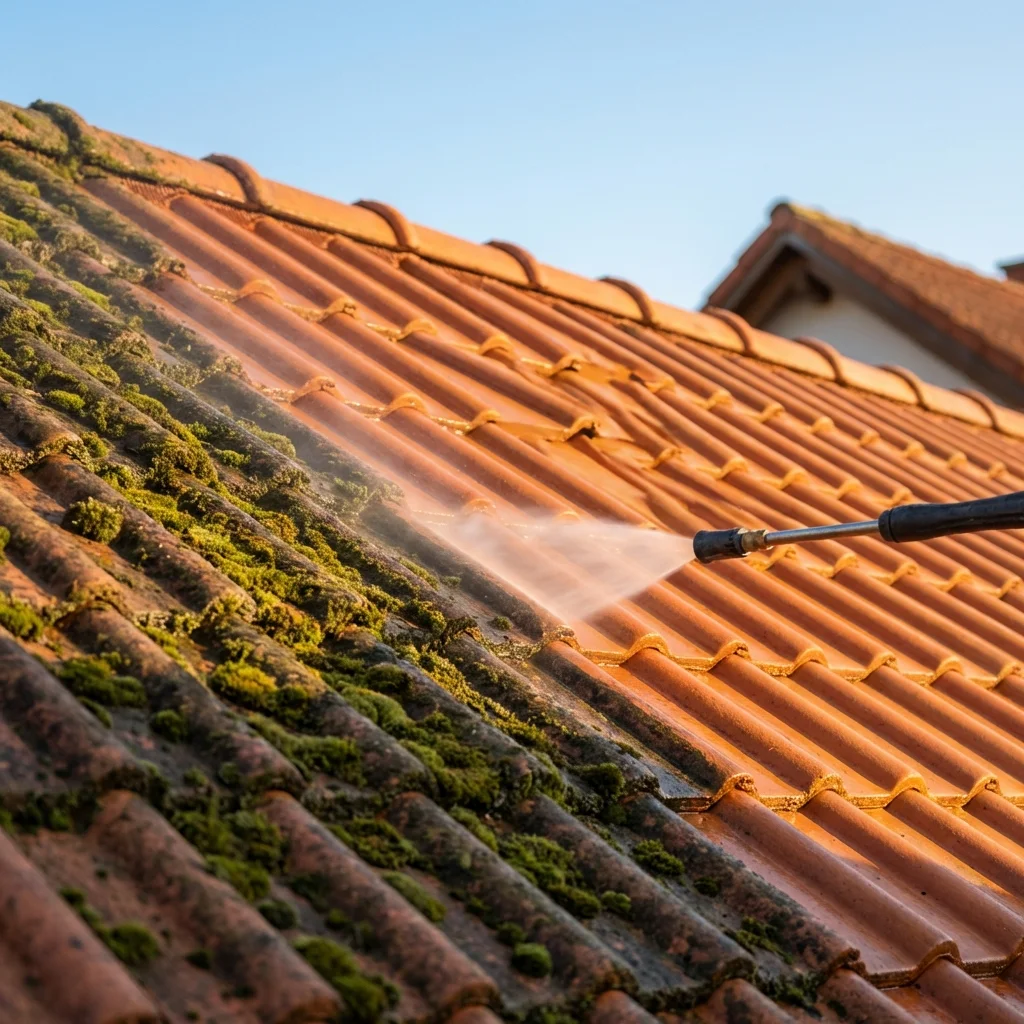
Removing moss from roof tiles involves three steps: applying a moss-killing treatment, allowing it to die off, then cleaning the surface with low-pressure washing. For Melbourne tiled roofs, the combination of moisture, shade, and temperature changes creates ideal conditions for moss to grow and spread. Left untreated, moss lifts tiles, traps moisture, and accelerates structural deterioration. This guide covers how to remove moss from roof tiles safely, what products work, when to call a professional, and how to prevent moss from coming back. If your roof has significant moss growth or you are unsure about the condition of the underlying tiles, a professional inspection is the safest starting point.
If you have noticed a green, fuzzy layer creeping across your roof tiles, you are not imagining things getting worse. Moss on roof tiles is one of the most common problems facing Melbourne homeowners, particularly in the northern suburbs where established trees, clay-heavy soils, and seasonal rainfall create the perfect environment for moss to take hold.
The good news is that moss can be removed and, more importantly, kept from coming back. The key is doing it the right way.
Table of Contents
ToggleThis guide covers everything from safe removal methods to prevention, and explains when a DIY approach is enough versus when professional treatment is the smarter call.
Why Moss Grows on Roof Tiles in Melbourne
Moss is not just a cosmetic problem. It grows where conditions favour it: moisture, shade, and organic debris.
Melbourne’s northern suburbs experience moderate rainfall, significant tree coverage, and seasonal humidity. These factors combine to make tiled roofs here particularly susceptible to moss growth. South-facing roof sections and areas shaded by trees are the most commonly affected.
Conditions that encourage moss growth:
- Blocked or slow-draining gutters that keep tiles damp longer
- Overhanging branches that deposit leaves and block sunlight
- Porous concrete tiles that absorb and retain moisture
- Lack of regular roof cleaning or maintenance
- Shaded roof sections that never fully dry after rain
Understanding why moss grows helps you address the root cause, not just the visible symptom.
Why You Should Not Ignore Moss on Roof Tiles
Moss looks like a surface problem but causes structural damage over time if left alone.
What moss does to your roof:
- Lifts tiles: Moss grows under tile edges, physically pushing them up and breaking the seal between them
- Traps moisture: The sponge-like structure of moss holds water against the tile surface, accelerating deterioration
- Blocks gutters: Moss spores and debris wash into gutters during rain, causing blockages and overflow
- Degrades mortar: Ridge cap mortar and bedding compound break down faster when persistently damp
- Increases leak risk: Lifted tiles and degraded mortar create entry points for water to reach the roof structure below
The longer moss is left, the more damage it causes and the more expensive the remediation becomes.
How to Remove Moss From Roof Tiles Safely
There are two approaches to removing moss from roof tiles: chemical treatment and mechanical removal. For most Melbourne homeowners, a combination of both delivers the best result.
Step 1 — Apply a Moss Treatment Product
A moss killer or biocide treatment is applied directly to the affected tiles. This kills the moss at the root level rather than just removing the surface growth.
Application tips:
- Apply on a dry day with no rain forecast for at least 24 hours
- Use a garden sprayer or brush to ensure even coverage
- Focus on the most heavily affected areas first
- Allow the product to work for the recommended dwell time, usually 24 to 72 hours
“The biggest mistake homeowners make is pressure washing the moss off without killing it first. You end up spreading live spores across the roof and the moss comes back faster than before. Always treat it first, then clean.”
Step 2 — Allow the Moss to Die
After applying the treatment, allow time for the moss to die fully before attempting removal. Dead moss is much easier to remove and poses less risk of spreading spores during the cleaning process.
This stage typically takes 1 to 4 weeks depending on the density of growth and weather conditions.
Step 3 — Low-Pressure Wash the Tiles
Once the moss is dead, a low-pressure wash removes the dead growth from the tile surface. It is important to use low pressure here.
Why low pressure matters:
| Washing Method | Risk to Tiles | Effectiveness |
|---|---|---|
| High-pressure washing | High — can crack, chip, and dislodge tiles | Removes moss but damages surface coating |
| Low-pressure washing | Low — safe for concrete and terracotta tiles | Cleans effectively without surface damage |
| Dry brushing only | Very low | Suitable for light growth only |
| Chemical treatment only | None | Kills moss but leaves dead material on tiles |
High-pressure washing is one of the most common causes of unnecessary tile damage during DIY roof cleaning. It strips the surface coating from concrete tiles, leaving them more porous and vulnerable to the next round of moss growth.
Remove Moss From Roof Tiles: Step by Step
The safe, correct process for Melbourne tiled roofs, plus three tips to keep moss from coming back
The 4-Step Removal Process
Apply a biocide or moss killer evenly across all affected tiles using a garden sprayer or brush. Choose a dry day with no rain forecast.
Allow 24 to 72 hours dwell timeAllow the treatment to fully kill the moss before attempting any removal. Dead moss is easier to clean and will not spread live spores during washing.
Wait 1 to 4 weeksUse low-pressure water to rinse dead moss from the tile surface. Avoid high-pressure washing — it strips the tile coating and causes long-term damage.
Low pressure onlyOnce tiles are clean and dry, apply a quality roof sealant to close the pores and prevent moss spores from taking hold on the surface again.
Reapply every 3 to 5 years3 Tips to Keep Moss From Coming Back
Blocked gutters keep roof tiles damp for longer after rain, creating ideal conditions for moss to regrow. Regular gutter cleaning is one of the most effective prevention measures available.
Tree coverage blocks sunlight and deposits organic debris on tiles, both of which accelerate moss growth. Reducing canopy coverage over the roof makes a significant difference to how quickly moss returns.
A quality roof sealant closes the porous surface of concrete tiles, making it far harder for moss spores to take hold. Reapplying every 3 to 5 years maintains this protective barrier and significantly extends the time between cleans.
Roof Restoration Northern Suburbs provides professional moss removal, roof cleaning, and full restoration services across Melbourne's northern suburbs.
Get a Free Roof AssessmentInformation provided by Roof Restoration Northern Suburbs | roofrestorationnorthernsuburbs.com.au
Preventing Moss From Coming Back
Removing existing moss is only half the job. Without preventive steps, moss returns within 1 to 3 years on untreated tiles.
The most effective prevention measures:
Apply a roof sealant after cleaning A quality roof sealant closes the pores of concrete tiles, making it much harder for moss spores to take hold. It also makes future cleaning significantly easier. Sealant typically needs reapplication every 3 to 5 years depending on exposure and product quality.
Keep gutters clear Overflowing gutters keep roof tiles and fascias damp for extended periods after rain. Regular gutter cleaning in Melbourne removes the debris that traps moisture and feeds moss growth.
Trim overhanging branches Reducing tree coverage over the roof increases sunlight exposure and reduces the volume of organic debris landing on the tiles. Both factors slow moss regrowth significantly.
Schedule regular roof inspections Catching moss growth early, when it is still light and easy to treat, is far less costly than addressing heavy infestation that has been left for years. Annual roof inspections in Melbourne keep you ahead of the problem.
When to Call a Professional Roof Restoration Service
DIY moss removal works well for light to moderate growth on accessible roofs in good overall condition. There are situations, however, where professional treatment is the safer and more cost-effective option.
Call a professional if:
- The moss growth is heavy and covers a significant portion of the roof
- Your tiles show signs of cracking, lifting, or damage beneath the moss
- The roof has not been cleaned or inspected for more than five years
- You are not confident working at height or on a roof surface
- The roof also needs repointing, sealing, or painting as part of a full restoration
A roof restoration and repair service in the northern suburbs will assess the full condition of your roof, not just the visible moss, and carry out the removal and any associated repairs as a single job. This is almost always more cost-effective than addressing moss removal and then finding structural issues separately afterwards.
Contact Roof Restoration Northern Suburbs for a free roof assessment and quote.
How Moss Removal Fits Into a Full Roof Restoration
Moss removal is often the first step in a broader roof restoration process. Once tiles are cleaned, a thorough inspection frequently reveals other issues that have been hidden under the growth.
Common issues found during post-moss-removal inspections:
- Cracked or broken tiles that need replacing — roof tile repairs Melbourne
- Deteriorated ridge cap mortar requiring rebedding — roof repointing and rebedding
- Compromised roof valleys allowing water ingress — roof valley replacement
- Roof surface that needs sealing and painting to prevent future growth — roof sealing Melbourne
Addressing all of these as part of a single restoration visit saves time, reduces disruption, and ensures the whole roof is in sound condition when the job is done.
Learn more about full roof restoration services in Melbourne’s northern suburbs and what a complete restoration involves.
Frequently Asked Questions
Q1.Is it safe to remove moss from roof tiles yourself?
Light moss growth on a single-storey roof with safe access can be managed with DIY treatment and a low-pressure wash. However, working on any roof carries fall risk and should never be attempted without proper footwear, a secure ladder, and ideally a spotter. For anything beyond light surface growth, or for roofs with any signs of tile damage, professional removal is the safer option. A roof restoration and repair service in the northern suburbs can assess and treat your roof safely and efficiently.
Q2.What is the best product to kill moss on roof tiles in Australia?
Biocide-based moss treatments and sodium hypochlorite solutions are the most widely used and effective products for Australian tiled roofs. Products labelled for roof use are formulated to kill moss at the root without damaging tile surfaces. Avoid using bleach-based products not specifically designed for roofing, as they can damage tile coatings and harm surrounding vegetation during runoff.
Q3. How often should I clean moss off my roof tiles?
For Melbourne homes with significant tree coverage or south-facing roof sections, moss treatment every 2 to 3 years is a reasonable maintenance schedule. Roofs with a quality sealant applied after cleaning may extend this to 4 to 5 years. Annual gutter cleaning helps slow moss growth between full roof cleans by keeping tiles drier for longer after rain.
Q4. Will pressure washing damage my roof tiles?
High-pressure washing can and does damage concrete and terracotta roof tiles. It strips the surface coating that protects the tile from moisture absorption, leaving the tile more porous and actually more susceptible to the next round of moss growth. Low-pressure washing after a moss treatment is the correct method. Professional roof cleaning services use equipment and techniques specifically calibrated to clean tiles without causing surface damage.
Q5. Does roof painting help prevent moss from coming back?
Yes. A quality roof paint creates a sealed, non-porous surface that moss spores find much harder to colonise. Combined with a biocide-treated paint or a separate sealant application, roof painting is one of the most effective long-term moss prevention strategies available. Roof painting in Melbourne carried out as part of a full restoration also improves thermal performance and extends the life of the tiles significantly.
Take Action Before the Problem Gets Worse
Hail damage to your roof does not get better with time. Every Melbourne spring brings hailstorms, strong winds and temperature swings that accelerate the deterioration of cracked tiles and dented metal roofing. Every month you wait, the risk of water leaks, mould growth and structural damage increases.
The good news is that repairing hail damage in Melbourne’s northern suburbs is a well-managed, straightforward process when you work with the right team. The result is a protected roof, better water protection, improved structural integrity and complete peace of mind.
Get your roof assessed today. The hail damage roof repair specialists serving Melbourne’s northern suburbs are ready to help. Contact Roof Restoration Northern Suburbs for a professional hail damage inspection.
Get your roof assessed today. The hail damage roof repair specialists serving Melbourne’s northern suburbs are ready to help. Contact Roof Restoration Northern Suburbs for a professional hail damage inspection.
Contact us today for a free, no‑obligation roof assessment and quote.
If you want a thorough and safe roof cleaning, don’t hesitate to reach out to us for expert services. We can handle everything from roof cleaning to roof restoration.
- 0489 088 778
- info@roofrestorationnorthernsuburbs.com.au
- 32 Milleara Road Keilor East VIC 3033
- Mon-Sat : 8AM – 5PM