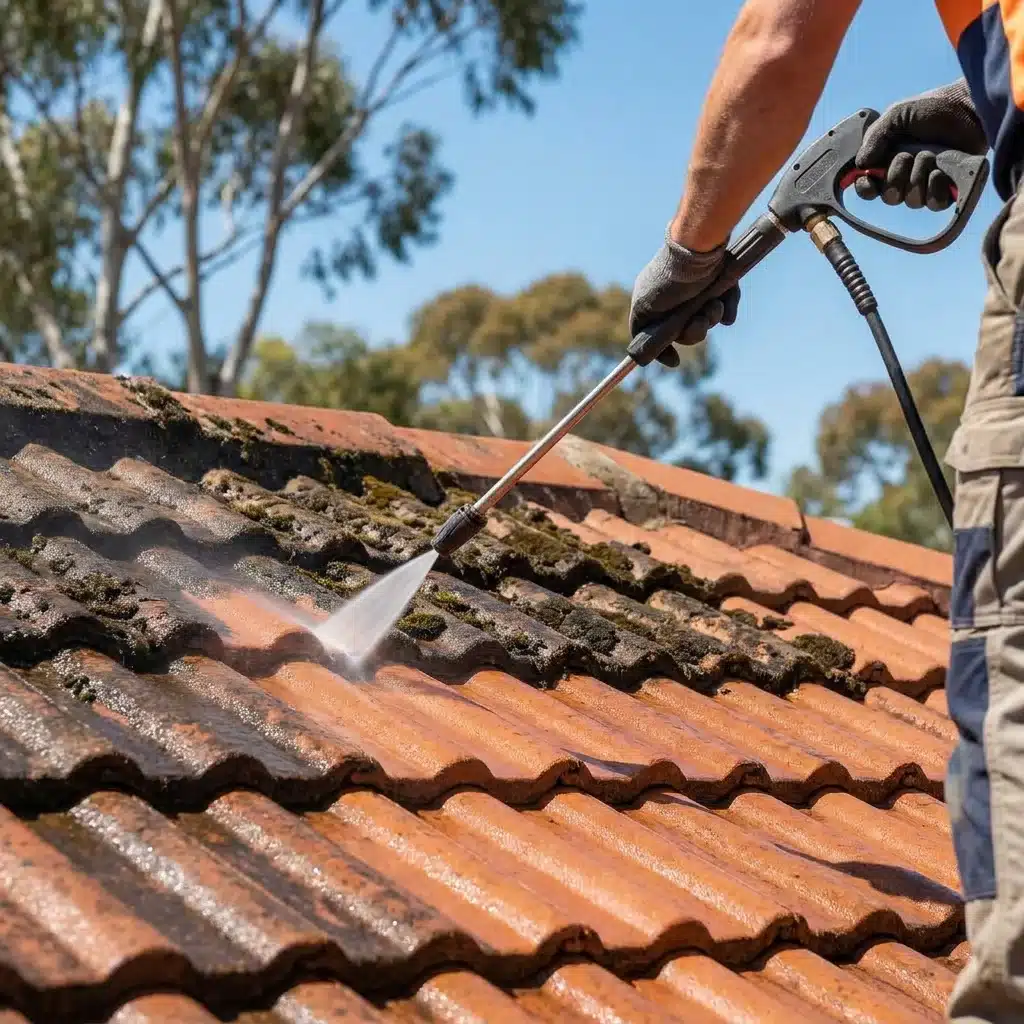
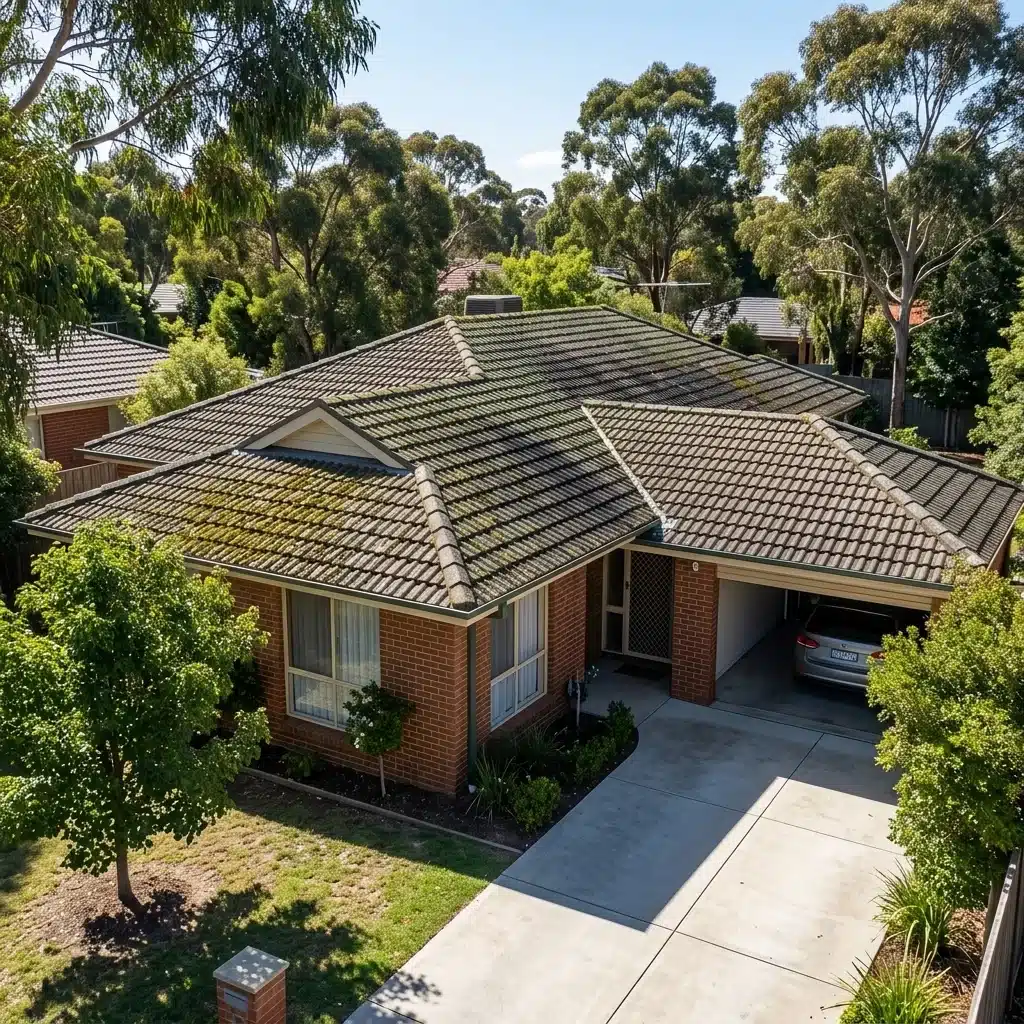
The roof is one of those parts of the home that is easy to forget about until something goes wrong. Out of sight, out of mind, until a water stain appears on the ceiling or a gutter starts overflowing in the middle of a Melbourne downpour.
How often should you clean your roof? It is a straightforward question with a more nuanced answer than most guides give. The honest response is that it depends on your specific situation. But there are reliable benchmarks that apply to Melbourne’s northern suburbs, and understanding them helps you make a smarter decision rather than guessing.
The Short Answer for Melbourne Roofs
Most professional roofers working across Melbourne’s northern suburbs recommend the following as a starting point:
- Concrete tile roofs: Every two to three years
- Terracotta tile roofs: Every three to five years
- Colorbond steel roofs: Every three to five years with periodic inspection
- Homes with heavy tree coverage: Every one to two years regardless of tile type
These are baselines only. Your roof may need cleaning sooner or less often depending on the specific conditions around your home.
“Two homes on the same street in Reservoir can have completely different cleaning needs. One has a big gum tree overhanging the back half of the roof, the other is open to the north. The first one needs cleaning every couple of years, the second can probably go four or five years. You cannot give a blanket answer without knowing what the roof is dealing with.” — Roofing specialist, Melbourne northern suburbs
How Tile Type Affects How Often You Need to Clean
This is the variable most guides skip entirely, and it matters significantly.
| Tile Type | Typical Cleaning Frequency | Why |
|---|---|---|
| Concrete tiles | Every 2 to 3 years | Porous surface absorbs moisture and biological growth faster |
| Terracotta tiles | Every 3 to 5 years | Denser, less porous surface resists growth longer |
| Colorbond steel | Every 3 to 5 years | Smooth non-porous surface, but valleys and joins need attention |
| Any tile with shade coverage | Every 1 to 2 years | Shade creates the moisture conditions moss and lichen need to thrive |
Concrete tiles are the most common roof type across Melbourne’s northern suburbs, particularly on homes built between the 1970s and 1990s. Their porous surface absorbs moisture over time, which accelerates moss, algae, and lichen growth. Once the surface coating breaks down, that growth speeds up further.
Terracotta tiles are denser and naturally less hospitable to biological growth. They still need cleaning, but the interval is longer for a roof in comparable conditions.
For more detail on how concrete and terracotta tiles differ in their maintenance needs, the concrete tile roof restoration guide and terracotta roof painting information are worth reading before booking any work.
How Your Surroundings Affect Cleaning Frequency
Two homes with the same tile type in the same suburb can have very different cleaning needs based on what is around them.
Tree coverage: Overhanging trees deposit leaves, sap, and organic debris onto the roof surface. That debris traps moisture and creates the perfect environment for moss and lichen to establish. If you have large gum trees, pines, or established natives near your roofline, annual or biannual cleaning is worth considering.
Shade: Sections of roof that receive little direct sunlight stay damp longer after rain. Moss and algae thrive in exactly these conditions. A roof with a south-facing section shaded by a fence, neighbouring property, or tree canopy will accumulate biological growth significantly faster than a roof with full sun exposure.
Gutters and valleys: Leaves and debris that accumulate in roof valleys and gutters create pools of moisture that accelerate biological growth on the surrounding tiles. Roof gutter cleaning and roof surface cleaning are most effective when done together, as one without the other leaves the debris source in place.
Local environment: Homes in areas like Bundoora, Greensborough, Thomastown, and Reservoir that sit near established parkland or reserves typically deal with heavier biological growth due to the surrounding tree canopy. Homes in more open areas like Craigieburn or Roxburgh Park generally have cleaner roofs for longer.
Four Signs Your Roof Needs Cleaning Now
You do not need to climb onto the roof to assess whether it is due for a clean. Here is what to look for from the ground:
- Dark green, brown, or black patches across the tile surface, usually concentrated on shaded sections
- A fuzzy or raised texture visible on tiles from street level, indicating established moss or lichen
- Gutters full of granular material or tile sediment after rain
- Water stains or damp patches on your ceiling after heavy rain, which can indicate blocked valleys or gutters from biological debris
If any two of these apply at the same time, the roof is overdue. Waiting longer allows moss and lichen to continue working their root systems into the tile surface, which accelerates deterioration and makes the eventual clean harder and more expensive.
For a full checklist of what to look for, the signs of roof damage guide for Melbourne homeowners covers both biological growth indicators and structural warning signs.
What Happens When You Leave a Roof Too Long
Skipping cleaning does not just affect how the roof looks. It has real consequences for how long the roof lasts.
Moss and lichen are not passive. Their root-like structures penetrate the surface of concrete tiles, forcing apart the material as they grow. Once embedded, they hold moisture against the tile surface long after rain has dried elsewhere. That persistent moisture cycle causes surface cracking, accelerates paint and coating breakdown, and over time leads to porous tiles that allow water to penetrate into the roof cavity.
A roof that has not been cleaned in eight or ten years often requires more than just a clean when it finally gets attention. Repointing of ridge caps, tile replacement, and a full restoration repaint may all be needed before the roof is back in serviceable condition.
This is the core reason why regular cleaning is worth the investment. A clean every two to three years costs a fraction of what a full roof restoration in Melbourne costs when a neglected roof finally reaches the point where cleaning alone is insufficient.
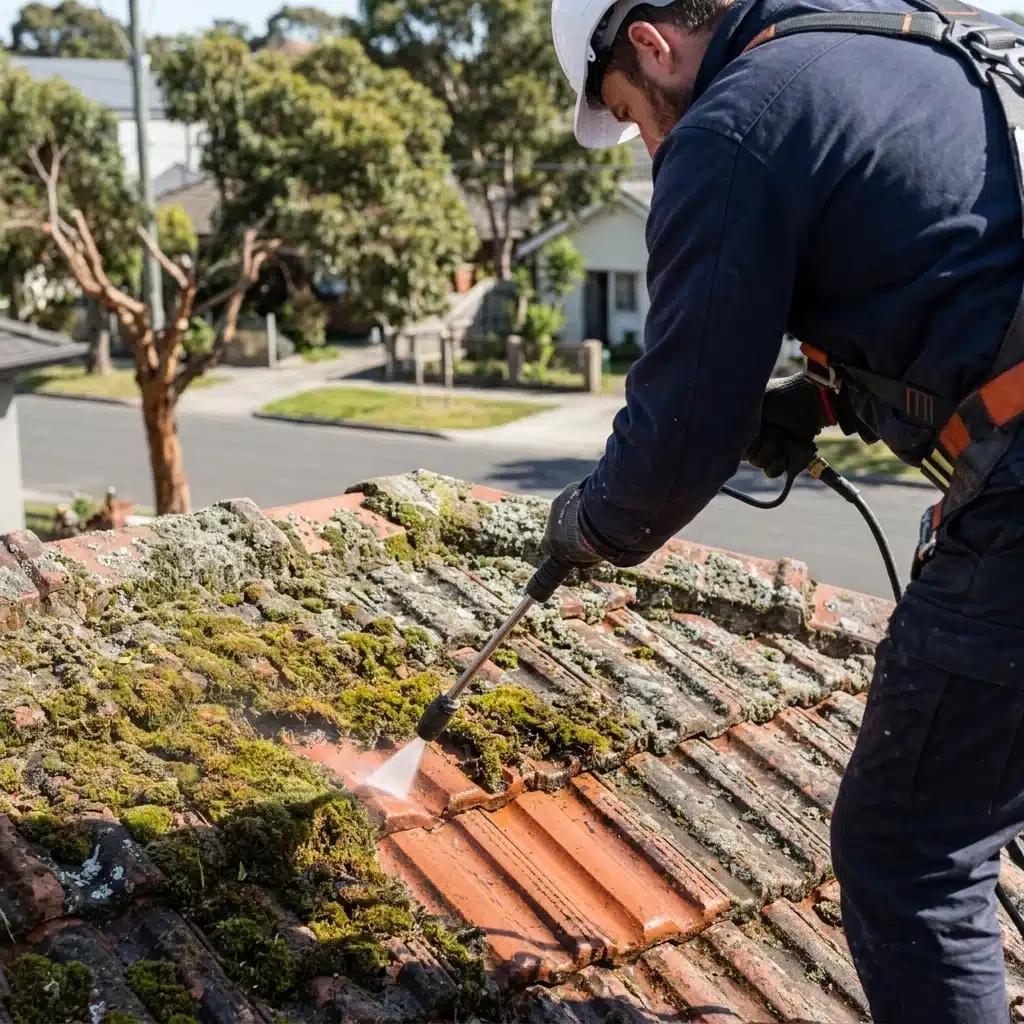
The Best Time of Year to Clean Your Melbourne Roof
Autumn is the ideal window for most Melbourne northern suburbs homes, for two practical reasons.
First, autumn cleaning removes the summer accumulation of dust, pollen, and UV-damaged debris before the wet season arrives. A clean roof heading into winter handles rain better, drains properly, and is far less susceptible to accelerated moss growth.
Second, autumn gives roofers good visibility of any damage that may have occurred during summer, including cracked tiles from thermal expansion and contraction, and ridge cap movement from the heat.
Late summer is also a workable window. Avoid cleaning in the middle of winter if possible, as extended moisture from rain can slow the drying of any treatments applied after the clean.