Bushfire Roof Protection Melbourne: Your Complete Guide to Ember Attack Prevention

Bushfire Roof Protection Melbourne (1)

 With bushfire season now in full swing across Melbourne’s northern suburbs, protecting your roof from ember attack isn’t just recommended – it’s essential. December 2025 marks the start of another hot, dry summer, and CFA reports show that 80% of homes lost in Victorian bushfires ignite from windborne embers landing on roofs, not from direct flames.

If you live in Eltham, Warrandyte, Hurstbridge, Diamond Creek, or any northern suburb near bushland, your roof is the first line of defence. This guide explains exactly how to protect your property from ember attack and why professional roof inspection should be at the top of your summer preparation checklist.
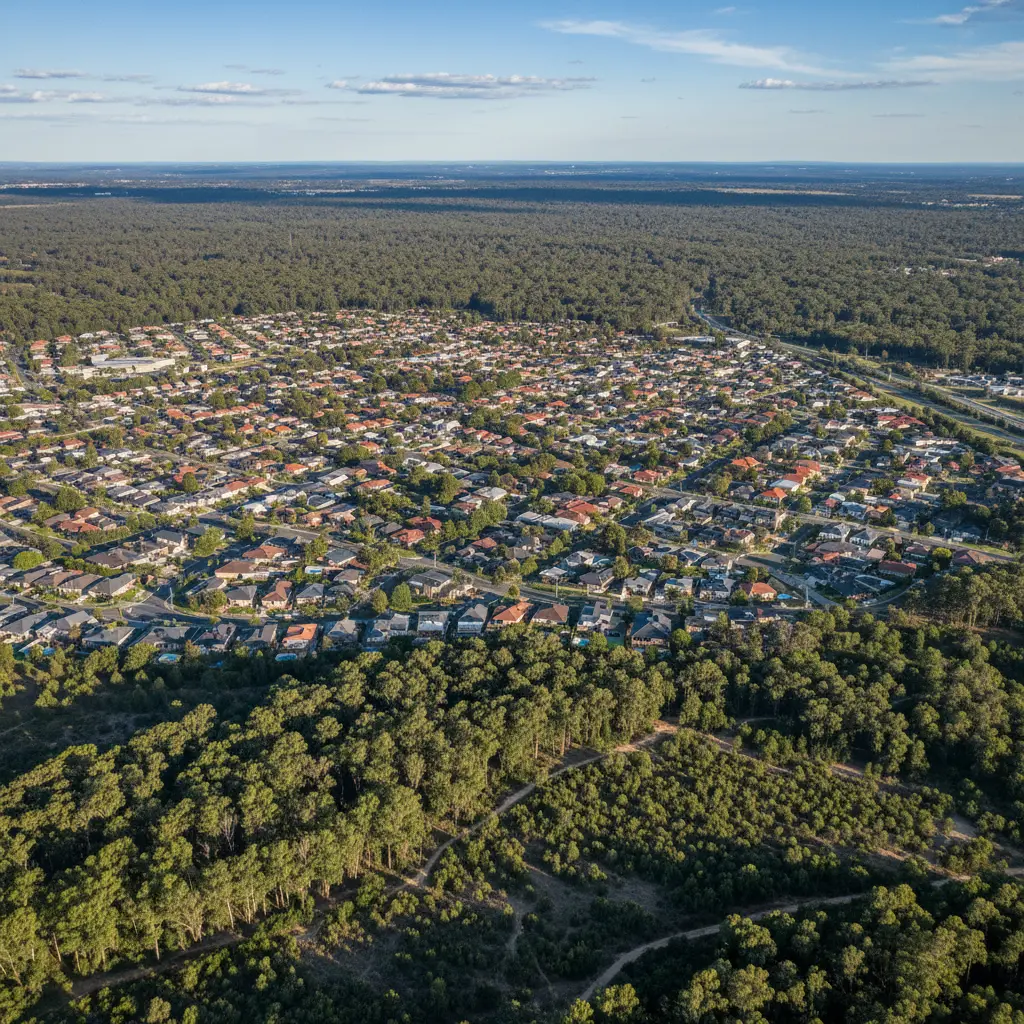
Aerial view of Northern suburbs Melbourne with bushland forest in background, showing residential roofs

Why Northern Melbourne Suburbs Face Higher Bushfire Risk

Melbourne’s northern suburbs sit at the dangerous intersection of urban development and native bushland. The 2009 Black Saturday fires and more recent Dandenong Ranges incidents proved that ember attack can occur kilometres away from active fire fronts.

According to the Victorian Building Authority, suburbs including Warrandyte, Research, Eltham North, and parts of Greensborough fall under Bushfire Management Overlay zones. This means your property faces elevated risk and may require specific construction standards for new builds or major renovations.

“After the 2021 fires, we inspected dozens of homes in Warrandyte. Every single property that survived had well-maintained roofs with proper ember protection. The ones that didn’t survive all had the same vulnerabilities: clogged gutters, gaps in ridge capping, and unsealed roof penetrations.” – Local CFA Brigade Captain

Understanding Ember Attack: How Your Roof Becomes Vulnerable

Burning embers travel on hot winds during bushfires, sometimes landing 5-10 kilometres ahead of the main fire front. These embers are looking for fuel, and your roof offers multiple entry points where they can settle and smoulder.

Common roof vulnerabilities include:

  • Gutters filled with leaves and debris – Dry eucalyptus leaves become instant kindling when embers land
  • Gaps in tile roofing – Broken, cracked, or displaced tiles create spaces for ember entry
  • Unsealed ridge capping – Old mortar breaks down, allowing embers into roof cavities
  • Roof vents without guards – Standard vents provide direct access to roof spaces
  • Valley irons with gaps – Unsealed valleys let embers slip under roofing materials
  • Damaged flashing – Around chimneys, skylights, and penetrations

Once an ember enters your roof cavity and ignites insulation or timber framing, the fire spreads internally while you’re focused on defending the outside of your home. This is why ember attack is considered more dangerous than direct flame contact.

BAL Ratings Explained: What Northern Suburbs Homeowners Need to Know

Bushfire Attack Level (BAL) ratings measure your property’s bushfire risk under Australian Standard AS 3959-2018. Understanding your BAL rating determines what protection measures are required.

BAL RatingRisk LevelProtection Required
BAL-LOWMinimal riskStandard building materials acceptable
BAL-12.5Low riskEmber guards recommended, non-combustible materials
BAL-19Moderate risk2mm ember mesh, sealed openings, fire-resistant materials
BAL-29High riskAluminium ember guards mandatory, comprehensive sealing
BAL-40Very high riskSteel ember guards, total cavity sealing, metal roofing
BAL-FZFlame zoneMaximum protection, steel mesh, complete ember proofing

Most northern suburbs properties fall into BAL-12.5 to BAL-29 categories. You can check your property’s BAL rating through the VBA website or by contacting your local council.

Essential Bushfire Roof Protection Measures

1. Ember Guard Installation

Ember guards are specialized mesh systems with apertures of 2mm or smaller, designed to prevent burning embers from entering gutters and roof cavities. They’re made from non-combustible aluminium or steel and install over gutters, valleys, and roof penetrations.

Professional installation ensures: No gaps larger than 2mm exist, mesh is properly secured to withstand high winds, and colour-matched finishes maintain your home’s appearance.

2. Comprehensive Roof Sealing

A professional roof restoration addresses ember entry points through ridge cap repointing, valley sealing, and flashing repairs. This creates a continuous barrier against ember infiltration.

3. Regular Gutter Cleaning

Melbourne’s northern suburbs are dominated by eucalyptus trees that drop enormous amounts of bark and leaves. Professional gutter cleaning before December removes this fuel source entirely.

4. Roof Material Upgrades

Older terracotta tiles can be porous and crack easily. Consider upgrading to Colorbond metal roofing, which is non-combustible and creates a tight seal. Concrete tiles with proper sarking underneath also provide excellent ember resistance.

5. Sarking and Insulation Protection

Modern roofing sarking acts as a secondary barrier beneath your tiles or metal sheets. It prevents ember entry even if gaps develop in your primary roofing material. Professional roof inspections can identify sarking damage before bushfire season hits.
Bushfire Roof Protection Melbourne

Your December 2025 Bushfire Preparation Checklist

With bushfire season officially underway, December is your last chance to prepare. Here’s your action plan:

Immediate Actions (This Week):

  • Book a professional roof inspection to identify vulnerabilities
  • Clear gutters of all leaves, bark, and debris
  • Check ridge capping for loose sections or crumbling mortar
  • Inspect roof tiles for cracks, breaks, or displacement

Within Two Weeks:

  • Install ember guards on gutters and vulnerable openings
  • Repair or replace damaged tiles and flashing
  • Seal all roof penetrations (vents, pipes, skylights)
  • Book valley repairs if you’ve noticed leaks

Before January 2026:

Why Professional Roof Services Matter for Bushfire Protection

DIY bushfire protection might seem cost-effective, but professional roof restoration and repair services in the northern suburbs understand local building codes, BAL requirements, and proper installation standards.

“We see homeowners trying to install their own ember guards every summer. The problem is they leave gaps, use incorrect fixing methods, or choose mesh that doesn’t meet AS 3959 standards. When CFA inspectors check these installations, they fail compliance and the homeowner has wasted money without gaining protection.” – Professional Roof Restoration Contractor

Professional services provide documentation of compliance, proper warranty coverage, and WorkSafe-approved installation methods that protect both your home and the tradesperson working at heights.


Your Roof's Ember Attack Defence System

🔥 80% of bushfire home losses start from ember attack 🔥
Bushfire Protected Roof Cross-Section 3 4 1 2 5 6 7
  • 1
    Ember Guard Mesh (2mm aperture)
    Fine aluminium mesh prevents burning embers from entering gutters and roof cavities
  • 2
    Clean Gutters
    Remove all leaves, bark and debris that can ignite from landed embers
  • 3
    Sealed Ridge Capping
    Repointed mortar and secured caps prevent ember entry at roof peaks
  • 4
    Roofing Sarking
    Secondary barrier beneath tiles blocks ember infiltration through gaps
  • 5
    Sealed Valleys
    Properly sealed valley irons eliminate entry points where roof sections meet
  • 6
    Protected Vents
    Ember-proof mesh guards over all roof ventilation openings
  • 7
    Secured Flashing
    Sealed flashing around chimneys, skylights and penetrations blocks ember access

Frequently Asked Questions About Bushfire Roof Protection Melbourne

  • Q1. Do I need ember guards if my suburb isn't in a designated bushfire zone?

    Yes, ember guards are still highly recommended even outside official bushfire overlay zones. The 2009 Black Saturday fires proved that embers can travel up to 10 kilometres ahead of fire fronts.

    Northern suburbs like Greensborough, Montmorency, and Bundoora may not be in overlay zones but are still at risk during extreme fire conditions. Ember guards also provide excellent protection against general leaf debris, making them a worthwhile investment regardless of bushfire risk.

  • Q2.What's the difference between ember guards and regular gutter guards?

    The critical difference is mesh aperture size. Regular gutter guards typically have 5-10mm openings designed to block leaves while allowing water flow. Ember guards must have apertures of 2mm or smaller to comply with AS 3959-2018 standards.

    This finer mesh blocks even tiny burning embers from entering your gutters and roof cavity. Additionally, ember guards must be made from non-combustible materials like aluminium or steel, while some standard gutter guards use plastic components.

  • Q3. How often should I inspect my roof for bushfire vulnerabilities?

    Professional roof inspections should occur annually in November before bushfire season begins. However, homeowners should conduct visual checks every three months, particularly after storms or high winds that might displace tiles or damage ridge capping.

    If you notice any cracked tiles, loose mortar, or gaps in flashing, book an immediate inspection rather than waiting for your annual service. Remember, small problems become major vulnerabilities during bushfire conditions.

  • Q4. Will my home insurance cover bushfire roof protection upgrades?

    Most standard home insurance policies don't cover preventative upgrades like ember guard installation or roof restoration. However, after bushfire damage occurs, rebuild costs are typically covered (subject to your policy terms).

    The good news is that many insurers offer premium discounts of 5-15% for properties with documented bushfire protection measures. Contact your insurer to ask about available discounts and keep all receipts and compliance certificates from your roof work.

  • Q5. Can I install bushfire protection measures myself, or do I need professionals?

    While DIY ember guard kits exist, professional installation is strongly recommended for several reasons. First, achieving proper coverage with no gaps larger than 2mm requires expertise and specialized tools. Second, working at roof height without proper safety equipment is extremely dangerous and may void your insurance if accidents occur.

    Third, many council permits and BAL compliance certificates require licensed contractor installation. Finally, professional services provide warranties and documentation that DIY installations cannot match. For a safety-critical system like bushfire protection, professional installation is worth the investment.

Cost vs. Consequence: The Investment in Protection

Bushfire roof protection represents a significant investment, but consider the alternative. The average cost breakdown for northern suburbs properties:

  • Professional roof inspection: $200-400
  • Ember guard installation: $2,000-8,000 (depending on roof size)
  • Ridge cap repointing: $2,500-6,000
  • Valley sealing: $800-2,500
  • Comprehensive protection package: $8,000-20,000

Compare this to the complete loss of your home, possessions, and the irreplaceable memories inside. Additionally, many insurance companies now offer premium reductions for properties with documented bushfire protection measures.

Take Action Before It’s Too Late

Every summer, northern suburbs homeowners wait until they see smoke on the horizon to start thinking about roof protection. By then, it’s too late. Professional roof services are booked solid, materials are sold out, and you’re left hoping for the best.

December 2025 is the time to act. Bushfire season doesn’t wait, and neither should your roof protection strategy.

Ready to protect your Melbourne home from ember attack? Contact Roof Restoration Northern Suburbs today for a comprehensive bushfire risk assessment. Our experienced team understands local BAL requirements and can implement protection measures before bushfire season intensifies.

Book Your Bushfire Roof Inspection Today

Don’t Wait for Smoke on the Horizon

Your roof is your home’s primary defence against ember attack during Melbourne’s bushfire season. With northern suburbs facing increasing bushfire risk due to climate change and urban expansion into bushland areas, professional bushfire roof protection isn’t optional – it’s essential.

The experienced team at Roof Restoration Northern Suburbs has protected hundreds of Melbourne homes with comprehensive ember defence systems. From initial inspection through ember guard installation, ridge cap sealing, and ongoing maintenance, we ensure your property meets AS 3959 standards while maintaining its aesthetic appeal.

Call us today to schedule your pre-summer bushfire roof inspection. Don’t let this December pass without taking action. Your family’s safety and your home’s protection depend on the decisions you make right now.

Get Your Free Bushfire Risk Assessment

Need Professional Roof Help?

If you’re concerned about your roof’s condition, we’re here to help:

Contact us today for a free, no‑obligation roof assessment and quote.

If you want a thorough and safe roof cleaning, don’t hesitate to reach out to us for expert services. We can handle everything from roof cleaning to roof restoration.

Roof Restoration Northern Suburbs is the fastest, quickest way to find the roofing experts at your doorstep. In one simple call, you can access the skills and expertise you need.
Reviews google